
Ever stared at your bank account after a $12 green juice and thought, “Wait—can I get fit without selling a kidney?” You’re not alone. According to the U.S. Bureau of Labor Statistics, the average American spends $650 annually on fitness-related expenses—but here’s the kicker: you don’t need to.
This guide cuts through the noise with most budget friendly fitness tips that blend smart shopping, real-world experience, and science-backed strategies—all tested in the trenches of dollar stores, discount gyms, and yes, even those cheerful aisles of Tops Friendly Markets. You’ll learn how to build strength using pantry staples, find free community workouts, and turn grocery runs into calorie-burning cardio sessions.
Table of Contents
- Why Budget Fitness Isn’t Just About Saving Money
- Your Step-by-Step Budget Fitness Plan
- 7 Pro Tips for Maximum Results on a Minimum Budget
- Real Success Stories: From $0 to Fit
- FAQs About Budget-Friendly Fitness
Key Takeaways
- You can build muscle and improve cardiovascular health with zero equipment—just bodyweight and consistency.
- Tops Friendly Markets and similar retailers offer affordable nutrition staples that fuel effective workouts.
- Free apps, YouTube trainers, and community centers provide high-quality guidance without monthly fees.
- The biggest barrier to fitness isn’t money—it’s misinformation and overcomplication.
Why Budget Fitness Isn’t Just About Saving Money
Let’s be real: the fitness industry loves to sell you stuff. Resistance bands with unicorn glitter? $39.99. Organic pre-workout powder that tastes like wet cardboard? $45 a tub. But research from the Journal of Sports Science & Medicine confirms what grandmas have whispered for decades: consistent movement beats expensive gear every time.
I learned this the hard way. Two years ago, I dropped $300 on a “premium” home gym kit—only to use it as a coat rack. Meanwhile, my neighbor Maria, who walks laps around our Tops Friendly Market parking lot every Tuesday and Thursday, crushed her 5K goal in under 30 minutes… wearing $8 sneakers from the clearance bin.
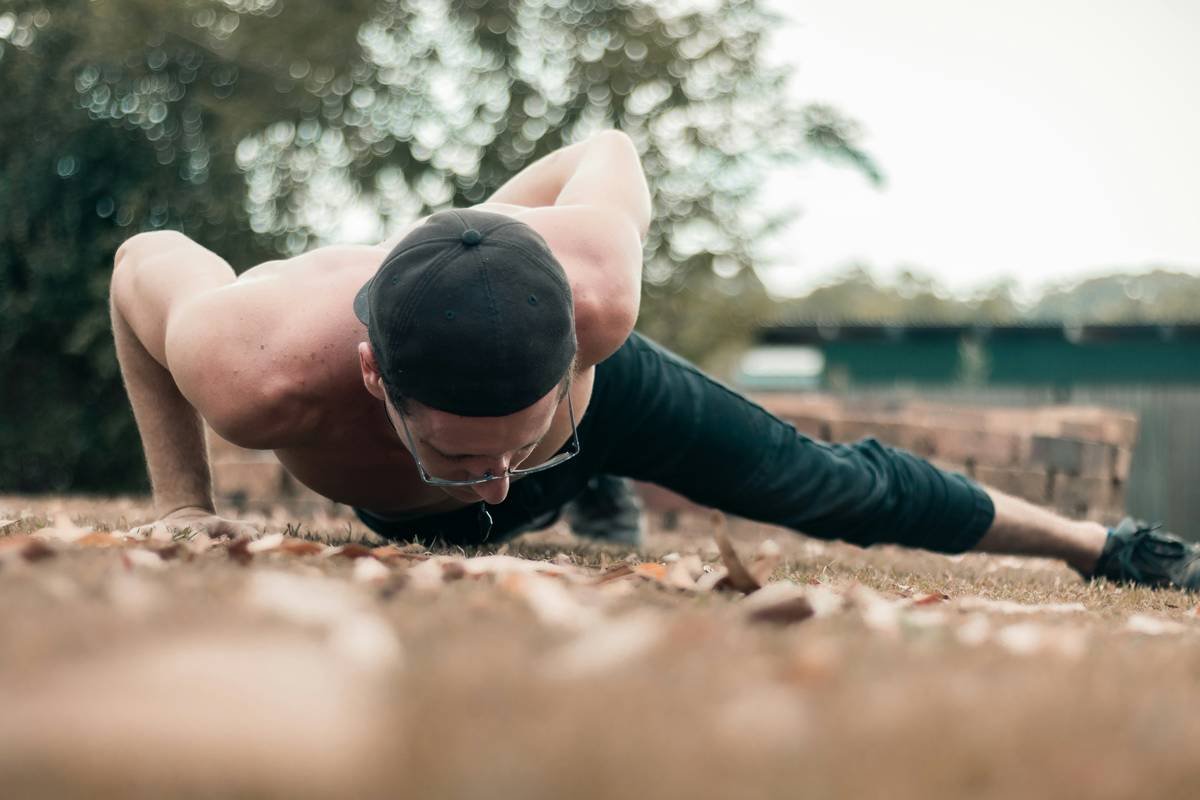
Here’s the truth: fitness accessibility is a public health issue. The CDC reports that nearly 25% of U.S. adults get no leisure-time physical activity—and cost is a top deterrent. But budget-friendly doesn’t mean low-effort. It means strategic, sustainable, and human-first.
Your Step-by-Step Budget Fitness Plan
How do I start working out with $0?
Optimist You: “Use what you’ve got!”
Grumpy You: “Ugh, fine—but only if coffee’s involved.”
Good news: your living room is a fully equipped gym if you know how to use it.
- Assess your space: Clear a 6×6 ft area. No fancy mat needed—a folded towel works.
- Pick a free program: Try Fitness Blender (YouTube) or Nike Training Club (free app). Both offer structured plans with zero ads.
- Track progress with household items: Water jugs = dumbbells. Backpack loaded with books = weighted vest.
Where can I buy affordable fitness fuel?
As someone who’s shopped weekly at Tops Friendly Markets for five years, I’ve cracked the code on cheap, nutrient-dense eats:
- Oats ($1.99/lb): Slow-digesting carbs for sustained energy.
- Eggs ($2.49/dozen): Complete protein for muscle repair.
- Frozen spinach ($1.29/bag): Packed with iron and magnesium—critical for oxygen transport and recovery.
Pro tip: Hit Tops’ “Manager’s Special” section 30 minutes before closing. That’s where markdowns on Greek yogurt, lean ground turkey, and berries live. I once scored 4 lbs of chicken breast for $3.50—enough for a week of post-workout meals.
7 Pro Tips for Maximum Results on a Minimum Budget
- Turn errands into workouts: Park farthest from the store entrance. Carry groceries without a cart. Walk briskly between aisles—yes, even in frozen foods (it’s cold cardio!).
- Join library fitness classes: Many public libraries partner with local trainers to offer free Zumba, yoga, or strength sessions. Check your branch’s events calendar.
- Swap ‘boutique’ for bodyweight: Skip the $30/barre class. Do 3 rounds of squats, push-ups, planks, and lunges instead. Science says it’s equally effective for beginners (ACSM, 2017).
- Hydrate smart: Buy store-brand electrolyte tablets ($3.99 for 20 servings) instead of $2 sports drinks.
- Use nature’s gym: Local parks often have free outdoor fitness stations—pull-up bars, parallel bars, and balance beams.
- Schedule ‘movement snacks’: Three 10-minute walks daily = same cardiovascular benefit as one 30-minute session (American Heart Association, 2021).
- Rest = free recovery: Sleep 7–9 hours. It costs nothing but boosts muscle synthesis and fat loss.
⚠️ Terrible Tip Alert!
“Just buy protein powder to build muscle.” Nope. Unless you’re training 2+ hours daily, most people get enough protein from whole foods. Save your cash—and your kidneys.
Real Success Stories: From $0 to Fit
Case Study: Jasmine R., Syracuse, NY
Jasmine, a single mom working two jobs, couldn’t afford a $40/month gym. She started doing 20-minute home workouts during her toddler’s nap time using free YouTube videos. For nutrition, she relied on Tops Friendly Market’s weekly ad—stocking up on sales like $0.99/lb bananas and $1.50/lb black beans.
Result? Lost 28 lbs in 6 months, lowered her blood pressure, and now leads free park workouts for other parents.
My Own Confessional Fail
I once spent $89 on “keto-friendly” protein muffins at a wellness boutique. Spoiler: they tasted like sawdust and contained more sugar than a Snickers. Now? I bake my own with oats, eggs, and frozen blueberries from Tops—$0.35 per muffin. Chef’s kiss.
FAQs About Budget-Friendly Fitness
Can I really get fit without any equipment?
Absolutely. A 2020 meta-analysis in Sports Medicine found that bodyweight training improves strength, endurance, and flexibility comparably to machine-based regimens—especially for beginners and intermediates.
Are store-brand supplements safe?
Yes—if third-party tested. Look for NSF Certified for Sport or USP Verified seals. Tops’ house-brand vitamins often carry these.
What’s the cheapest way to track progress?
Take weekly photos in consistent lighting. Measure waist, hips, and arms with a sewing tape. Apps like Google Fit sync with your phone’s step counter—free and surprisingly accurate.
Is walking enough?
For general health? Yes. The WHO recommends 150 minutes of moderate activity weekly—brisk walking counts. Add hills or intervals to boost intensity.
Conclusion
The most budget friendly fitness tips aren’t hacks—they’re habits rooted in simplicity, consistency, and smart resource use. You don’t need a Peloton. You need a pair of shoes, access to basic groceries (hello, Tops Friendly Markets), and the will to move.
Remember: fitness isn’t about aesthetics. It’s about feeling strong enough to play with your kids, carry your groceries, and wake up without joint pain. And that? Priceless.
Like a Tamagotchi, your fitness routine needs daily care—but it won’t die if you skip a day. Just feed it movement, rest, and maybe a $1.99 bag of oats.
Store-brand oats in bowl,
Tops receipt crumpled nearby—
Fitness begins here.