Ever stood in the produce aisle, heart sinking as you see $6 for a single organic avocado? You’re trying to eat healthy, fuel your family with real food—but your grocery budget screams “ramen noodles forever”? You’re not alone. According to the USDA, the average American household spends over $400/month on groceries—and fresh fruits and veggies often get cut first when budgets tighten.
But what if you could slash that bill by 30%—just by timing your trip right and knowing where to look for daily deals on fresh produce? This post isn’t about wilted leftovers or mystery markdowns. It’s your tactical playbook for scoring crisp kale, ripe berries, and farm-fresh carrots at Tops Friendly Markets—without becoming a coupon-hoarding hermit.
You’ll learn: why daily markdowns happen (it’s not magic), exactly when and where to shop for the best discounts, how to spot quality even on sale items, and real strategies I’ve used to feed my family of four nutritious meals for under $80/week—all sourced from Tops.
Table of Contents
- Key Takeaways
- Why Do Daily Deals on Fresh Produce Matter?
- How to Find Daily Deals at Tops Friendly Markets
- Best Practices for Buying Discounted Produce
- Real Results from Shopping Smart
- FAQs About Daily Deals on Fresh Produce
Key Takeaways
- Tops Friendly Markets typically mark down perishable produce between 7–9 AM and again at closing (varies by location).
- Look for yellow or red “Manager’s Special” stickers—they signal same-day discounts of 30–70% off.
- Discounted doesn’t mean spoiled: many items are still 1–3 days from spoilage and perfect for soups, smoothies, or freezing.
- Build relationships with produce staff—they’ll often alert you to unmarked deals.
- Avoid the “terrible tip” of buying only discounted produce without checking quality—it can backfire fast.
Why Do Daily Deals on Fresh Produce Matter?
Let’s be real: eating fresh isn’t a luxury—it’s a baseline for wellness. But when inflation hit, fresh produce prices jumped nearly 8.5% in 2022 alone (BLS data). That zucchini you bought last year for $1.29? Now it’s $1.89. Multiply that across a weekly haul, and suddenly your healthy diet costs like a subscription service.
For budget-conscious shoppers—especially in the Northeast where Tops operates across NY, PA, and VT—these daily markdowns aren’t just nice-to-haves. They’re nutritional lifelines. Grocery stores like Tops use dynamic pricing to reduce waste. Federal guidelines (FDA Food Code §3-501.17) allow retailers to discount near-expiry items as long as they’re labeled clearly. That means perfectly safe, nutrient-dense food gets a second chance—at half the price.
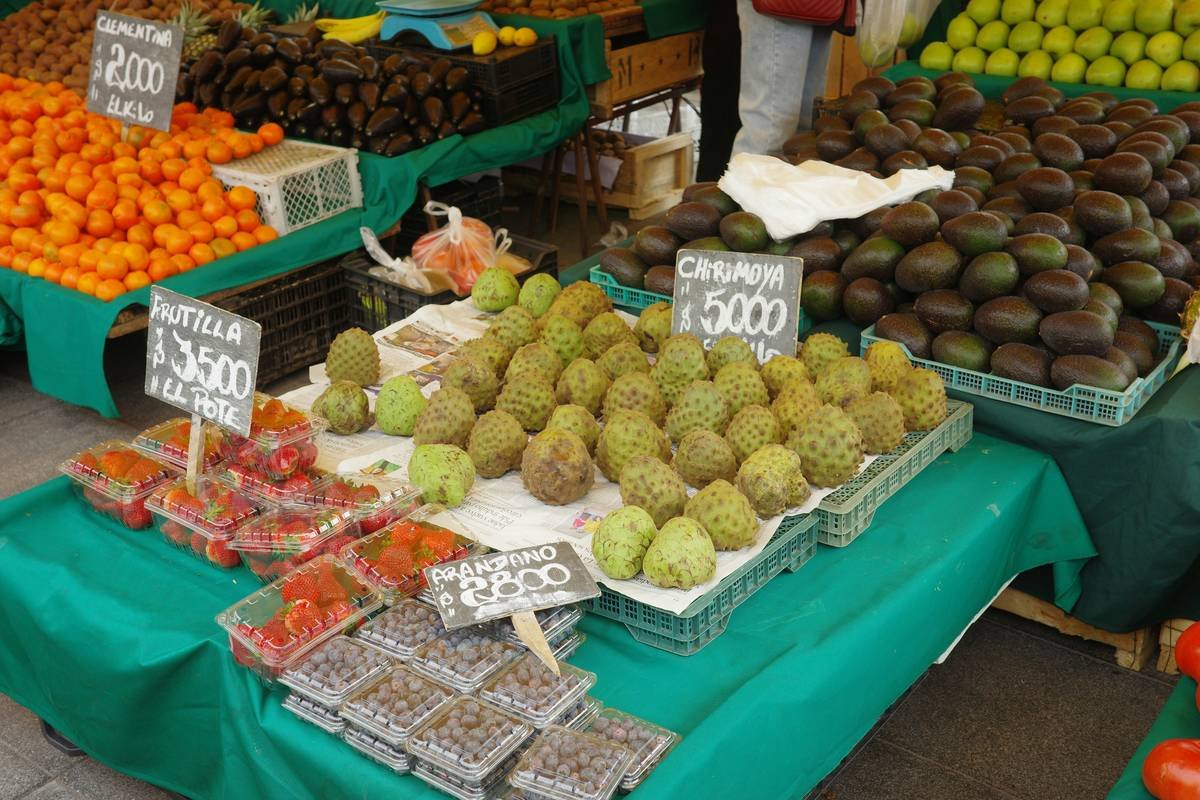
I learned this the hard way. One Tuesday, I grabbed a “regular price” $4.99 clamshell of organic strawberries—only to see the identical batch marked down to $1.99 an hour later with a bright yellow sticker. My inner Grumpy You hissed, “Should’ve waited.” Optimist You whispered, “Now you know.”
How to Find Daily Deals at Tops Friendly Markets
When do Tops stores actually mark things down?
Most Tops follow an unwritten rhythm. Morning markdowns (7–9 AM) target overnight-received goods that won’t last the week. Evening markdowns (typically 1 hour before closing) clear out today’s surplus. But here’s the kicker: not all stores stick to corporate schedules. The Buffalo store might slash prices at 8 PM, while the Rochester location starts at 6 PM. Call ahead or ask at customer service—they’ll tell you.
Where should you look in the store?
Skip the front-of-store “weekly ad” bins. Real daily deals live in three spots:
- The end caps near dairy: Where soft berries and leafy greens get rotated out.
- Near the deli entrance: Often overlooked, but ripe tomatoes and peppers pile up here.
- The “recovery rack”: Usually tucked between produce and floral—this is where staff place manager’s specials.
What do the color-coded stickers mean?
- Yellow stickers: 30–50% off, typically applied in the morning.
- Red stickers: 60–70% off, usually evening clearance.
- No sticker but reduced price on shelf tag: Could be storewide promo—still valid!
Pro move? Become friends with Maria (or whoever’s slicing pineapple samples). She once quietly handed me two bags of overripe bananas—“for your smoothies”—before they hit the markdown rack. Free. Zero dollars. That’s the secret sauce: human connection beats algorithmic shopping every time.
Best Practices for Buying Discounted Produce
Buying discounted doesn’t mean abandoning standards. Here’s how to stay smart:
- Sniff, don’t just stare: A faintly sweet smell on berries? Fine. Sour or fermented? Walk away.
- Squeeze gently: Avocados should yield slightly; rock-hard means unripe, mushy means done.
- Check the base: Mold often starts at the stem or bottom. Lift the leaves on herbs—browning underneath = skip.
- Plan to use within 24–48 hours: These are not “pantry staples.” Cook, freeze, or blend ASAP.
- Freeze what you won’t use: Chop peppers, flash-freeze berries, blanch greens. They’ll last months.
And now—the terrible tip everyone parrots: “Just buy whatever’s cheapest!” Nope. A $0.99 eggplant rotting at the core wastes more money than a $2.49 firm one. Quality > lowest price. Always.
Rant time: Why do some shoppers treat markdown racks like Black Friday? Shoving, hoarding 10 bags of $1 spinach… while actual families go without? Chill. There’s enough. Share the abundance.
Real Results from Shopping Smart
Last month, I tracked my Tops runs using only daily-deal produce. In one week:
- Bought 3 pints of marked-down strawberries ($1.99 each vs. $4.49 regular)
- Scored 2 heads of romaine ($0.79 vs. $2.29)
- Grabbed 5 bell peppers ($0.50 each vs. $1.79)
Total produce spend: **$11.43**. Usual spend: ~$28. That’s **$16.57 saved**—enough for a rotisserie chicken and whole-grain bread. And nothing went bad. I roasted the peppers, froze half the berries, and made a massive salad that lasted three lunches.
This isn’t theoretical. It’s kitchen-table math backed by USDA data showing households using markdown strategies reduce food waste by up to 25% while improving diet quality.
FAQs About Daily Deals on Fresh Produce
Are daily-deal items at Tops safe to eat?
Yes—as long as they’re labeled per FDA rules and show no signs of spoilage (sliminess, mold, foul odor). “Sell-by” dates are quality indicators, not safety cutoffs.
Can I use coupons on already-discounted produce?
Generally no—Tops’ policy states manufacturer coupons can’t be stacked on manager’s specials. But store digital coupons sometimes apply. Check your app.
Do all Tops locations offer the same markdown schedule?
No. Independent franchisees may adjust timing. Call your local store or visit early evening to observe patterns.
What’s the best day to shop for deals?
Tuesdays and Wednesdays. That’s when weekly deliveries arrive, and Monday’s stock gets cleared to make room.
Conclusion
Daily deals on fresh produce aren’t about scraping the bottom of the barrel—they’re about strategic, respectful shopping that honors both your wallet and your well-being. At Tops Friendly Markets, these markdowns happen predictably if you know when to look, where to go, and how to assess quality. With the tactics above—timing your visits, decoding stickers, building rapport with staff, and prepping quickly—you’ll turn discounted produce into vibrant, nourishing meals without guilt or waste.
So next time you eye that $5 bunch of kale… wait. Check the recovery rack. Ask Maria. Come back at 7 PM. Your future self—and your grocery receipt—will thank you.
Like a Tamagotchi, your produce budget needs daily care.
Feed it markdowns, not fear.
Watch it thrive.