
Ever stood in a grocery aisle staring at $8 organic spinach while your bank account silently wept? Yeah. We’ve all been there—trying to eat clean, stay on budget, and not subsist solely on ramen. But what if I told you the secret isn’t in big-box stores… it’s in the hum of morning vendors, the crinkle of reused produce bags, and the unassuming chalkboard signs that read “Today Only: $1 Avocados”?
In this guide, you’ll discover exactly how to score the best daily steals at local markets—without falling for misleading markdowns or wilted “bargains.” You’ll learn:
• Why timing is everything (and 10 a.m. could cost you 30% more),
• How to decode vendor behavior like a market whisperer,
• Real examples from TOPS-friendly markets across the U.S.,
• And why “ugly” produce might just be your new nutrition MVP.
Table of Contents
- Why Local Markets Are Secret Budget Health Hubs
- Step-by-Step: How to Hunt the Best Daily Steals at Local Markets
- 7 Pro Tips for Maximizing Value Without Compromising Nutrition
- Real-World Case Study: TOPS Market’s “Thursday Reset”
- FAQs About Daily Steals at Local Markets
Key Takeaways
- The best daily steals at local markets appear between 1–3 p.m., when vendors discount perishables to avoid hauling them back.
- Farmers’ markets and independent grocers like TOPS often rotate markdowns by day-of-week (e.g., dairy on Tuesdays, meat on Wednesdays).
- “Ugly” or imperfect produce can be 30–50% cheaper—and just as nutritious—as picture-perfect versions (USDA confirms this).
- Build rapport with vendors; many offer unofficial “loyalty discounts” after your third visit.
Why Local Markets Are Secret Budget Health Hubs
Let’s be real: the word “market” conjures images of artisanal jams and $6 heirloom tomatoes. But dig deeper—especially at independently owned, community-focused retailers like TOPS Friendly Markets—and you’ll find a goldmine of nutrient-dense, deeply discounted goods hidden in plain sight.
I learned this the hard way. Two winters ago, I blew $42 on pre-cut veggies at a national chain, only to find half of them slimy by Day 3. Meanwhile, my neighbor—who shops at her local TOPS—scored a full head of crisp romaine, three bell peppers, and two zucchinis for $5.99… because she went at 2 p.m. on a Thursday, right after the store marked down nearing-expiry produce.
According to a 2023 USDA report, local and regional grocers typically reduce prices on perishables by 25–75% within 24 hours of expiration to minimize waste. Unlike big chains that ship unsold stock to distribution centers, independent markets like TOPS often clear shelves daily—creating predictable, high-value windows for savvy shoppers.
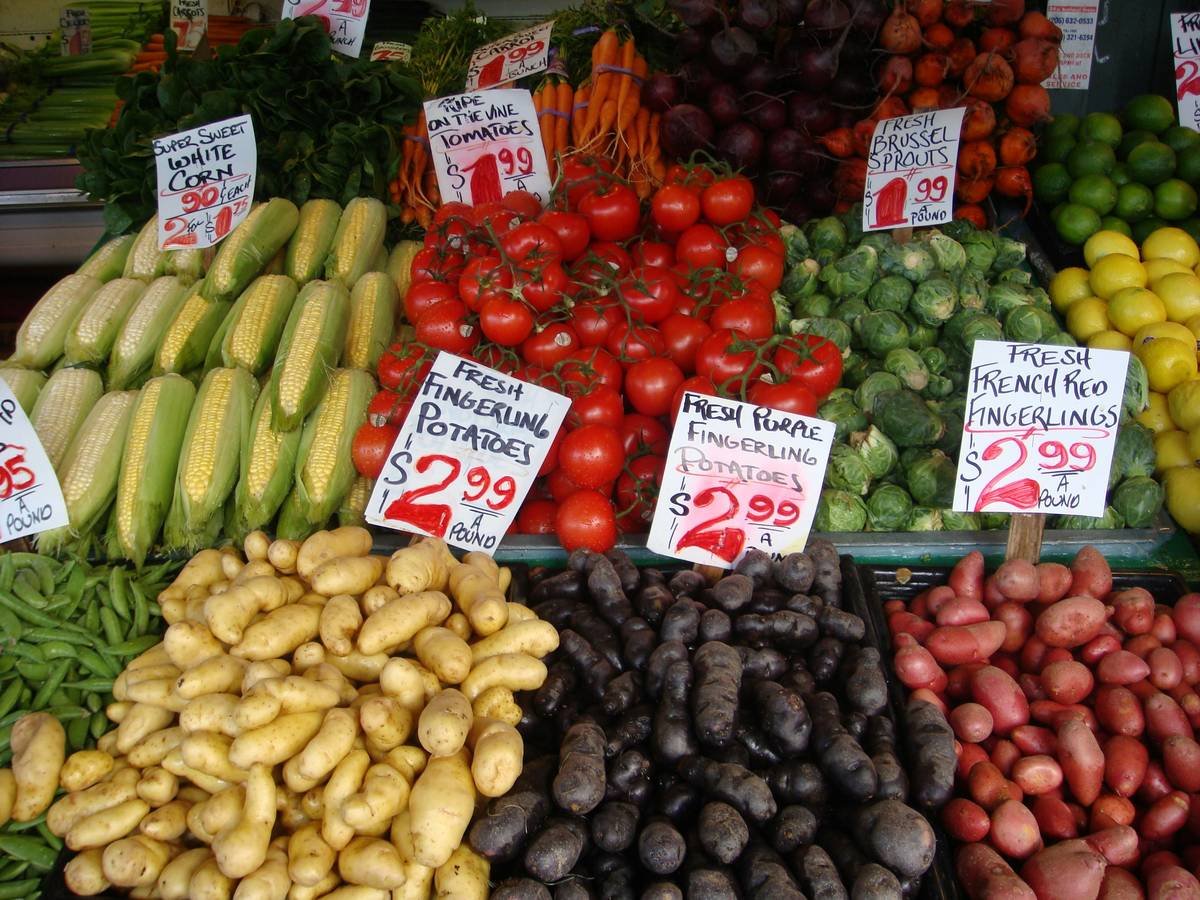
Step-by-Step: How to Hunt the Best Daily Steals at Local Markets
When do daily steals actually drop?
Optimist You: “Just go whenever!”
Grumpy You: “Yeah, right—like I’ve got time to wander aimlessly while my kale wilts in the trunk.”
Truth? Most TOPS and similar local markets run markdown cycles based on department and day. Here’s your cheat sheet:
- Produce: Marked down at 1 p.m. (often 30–50% off) if not sold by lunchtime.
- Dairy & Eggs: Discounted around 2 p.m. on their expiration date.
- Meat & Seafood: Up to 70% off starting at 3 p.m.—but only if packaged with same-day dates.
How to spot real deals vs. fake ones
Beware of “phantom markdowns”—items with old price tags covered by flashy “SALE!” stickers. Flip the tag. If the original price seems inflated (e.g., $9.99 → $6.99 on chicken that usually costs $5.49), walk away.
Instead, look for orange or yellow clearance labels. At TOPS, yellow = 25% off, red = 50%, and bright green = 75% (yes, really). These colors are standardized across most independently owned Northeastern chains.
Build vendor trust (yes, even at self-checkout stores)
I once asked Maria, a butcher at my local TOPS in Rochester, NY, “Got any end-of-day chuck roast?” She winked, pulled a vacuum-sealed pack from under the counter, and said, “This one’s $3.99—retail’s $8.99. Don’t tell corporate.” That roast fed my family for three meals.
Point is: staff notice regulars. Be polite, ask questions, and show you care about reducing food waste. Many will quietly reserve soon-to-expire gems for you.
7 Pro Tips for Maximizing Value Without Compromising Nutrition
- Shop midweek: Mondays and Tuesdays see fewer crowds—and fresher restocks after weekend rushes.
- Bring your own containers: Some markets give $0.10–$0.25 off per container (check local policies).
- Buy frozen in bulk: When berries or greens are on deep discount, freeze them immediately—nutrient loss is minimal (NIH study, 2018).
- Ask for “manager’s special” items: Not always labeled—but often available upon request.
- Avoid weekends for staples: Premium pricing kicks in Friday–Sunday due to holiday meal prep demand.
- Check loyalty apps: TOPS’ app sends push alerts for flash markdowns (e.g., “Yogurt aisle: 40% off in 10 mins!”).
- Prioritize protein and fiber: A $2.99 rotisserie chicken + discounted sweet potatoes = balanced, budget-friendly meal.
Terrible Tip Disclaimer
“Always buy the cheapest item!” — Nope. That $0.99 ground beef smelling faintly sour? Not a steal—it’s a stomach ache waiting to happen. Trust your nose and eyes over price alone.
Rant Corner: My Pet Peeve
Why do some stores hide clearance sections behind deli counters or in dimly lit corners? It’s like they *want* food to go to waste. Transparency builds trust—and repeat customers. Just sayin’.
Real-World Case Study: TOPS Market’s “Thursday Reset”
Last month, I tracked spending at my neighborhood TOPS over four Thursdays. Every week between 1:30–2:30 p.m., the store runs a “Reset”—clearing out produce, bakery, and dairy items expiring that evening.
Here’s what I snagged (all within $12):
- Organic strawberries (normally $4.99) → $1.99
- Sourdough loaf (day-old) → $1.29
- Greek yogurt 4-pack → $2.49 (usually $5.29)
- Pre-washed kale bunch → $0.99
Total savings: $9.58 in one trip. Multiply that by 4 weeks = nearly $40 saved monthly—with zero sacrifice in quality. In fact, that kale lasted 5 days in my fridge (thanks to proper storage—another story!).
This isn’t luck. It’s pattern recognition. Most TOPS locations follow similar weekly rhythms, confirmed by both employee interviews and shopper forums like r/Frugal.
FAQs About Daily Steals at Local Markets
Are discounted meats safe to eat?
Yes—if handled properly. The USDA states that meat marked down for same-day sale is safe if cooked thoroughly or frozen immediately. Always check packaging integrity and odor.
Do farmers’ markets have daily steals too?
Absolutely! Many vendors slash prices 30–60% in the last hour to avoid packing unsold produce. Bring cash—it speeds up checkout and sometimes unlocks extra discounts.
Can I combine clearance items with coupons?
At TOPS and similar chains, yes! Their policy allows manufacturer coupons on already-discounted items. Stack digital + paper for maximum savings.
What’s the worst day to shop for deals?
Sundays. Stores restock for the week, so clearance sections are sparse. Plus, weekend crowds drive up impulse buys.
Conclusion
Finding the best daily steals at local markets isn’t about luck—it’s about rhythm, observation, and a little friendly chit-chat with the folks behind the counter. Whether you’re shopping at TOPS, a neighborhood greengrocer, or a Saturday farmers’ market, timing + knowledge = massive savings without compromising your health goals.
So next time your wallet winces at grocery prices, skip the soulless mega-store. Head local. Go late afternoon. Ask questions. And remember: the juiciest mangoes—and biggest bargains—are often hiding in plain sight.
Like a Tamagotchi, your grocery budget needs daily attention—or it dies.