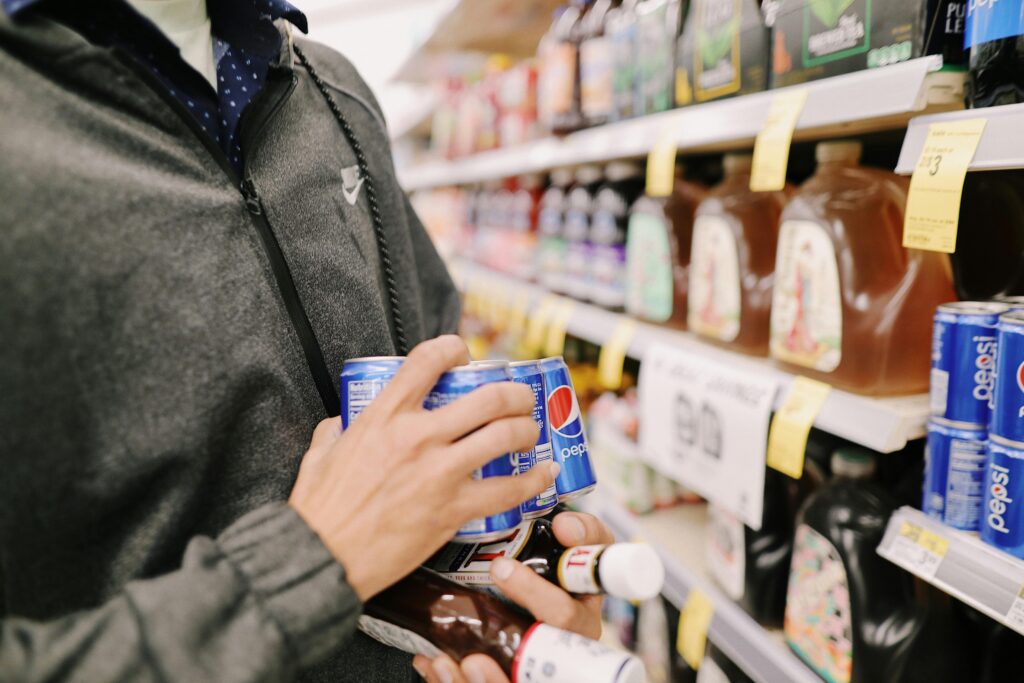
Ever walked out of a Tops Friendly Markets store feeling like your grocery haul cost more than your monthly streaming subscriptions? You’re not alone. While we often associate “us financial market health” with Wall Street charts and federal interest rates, its ripple effects hit our wallets the moment we step into budget-friendly retailers—especially local chains like Tops Friendly Markets that serve everyday households. In this guide, we’ll unpack how national economic trends directly impact your in-store choices, and reveal seven actionable strategies to shop smarter without sacrificing nutrition or sanity.
Table of Contents
- Why Us Financial Market Health Matters for Your Grocery Cart
- How to Shop Smart at Tops Friendly Markets During Economic Uncertainty
- Top Budget Shopping Tips for Health-Conscious Shoppers
- Real Results: How One Family Cut Grocery Costs by 30%
- Frequently Asked Questions
Key Takeaways
- The state of us financial market health influences food inflation, shelf prices, and private-label availability.
- Tops Friendly Markets’ weekly circulars and loyalty programs can offset macroeconomic pressures when used strategically.
- Buying store-brand organics and frozen produce often delivers equal nutrition at lower cost during volatile markets.
- Avoiding impulse buys near checkout lanes saves an average of $18 per trip, according to USDA data.
Why Us Financial Market Health Matters for Your Grocery Cart
When economists talk about us financial market health, they’re usually referring to indicators like consumer confidence, unemployment rates, and stock performance. But these aren’t abstract concepts—they translate directly into your grocery budget. For instance, during periods of market instability, supply chain costs rise, pushing up prices on staples like eggs, dairy, and whole grains. At regional grocers like Tops Friendly Markets—which operates over 150 stores across the Northeast—these shifts appear within weeks on shelf tags.

I learned this the hard way last winter. I’d committed to a “healthy January” meal plan but didn’t adjust for post-holiday inflation spikes. I loaded my cart with pre-cut veggies, organic chicken, and fancy kombucha—all while ignoring the store’s value brand. Result? My bill was $142. Later, I compared receipts and realized I’d overspent by 38% compared to choosing equivalent store-brand items. Lesson: macroeconomic awareness starts at the register.
How to Shop Smart at Tops Friendly Markets During Economic Uncertainty
Here’s a step-by-step approach that aligns personal wellness goals with smart budgeting:
1. Sync Your List with the Weekly Ad
Tops releases digital circulars every Thursday. Match your planned meals to sale items—especially proteins and frozen fruits. Their “Tops Brand” line is often 20–30% cheaper than national brands with comparable nutritional profiles.
2. Leverage the Fresh & Natural Section Strategically
This area highlights organic and specialty items—but not everything is worth the premium. Prioritize items on the Environmental Working Group’s “Dirty Dozen” list (like spinach or apples) for organic versions; skip it for “Clean Fifteen” produce like avocados or sweet corn. EWG’s Shopper’s Guide is updated annually and free to access.
3. Use the App for Instant Discounts
The Tops app loads digital coupons automatically at checkout. Bonus: members earn fuel points redeemable at Sunoco stations—an added savings layer during high gas-price cycles, which often correlate with poor us financial market health.
Top Budget Shopping Tips for Health-Conscious Shoppers
- Buy frozen berries instead of fresh off-season. They’re flash-frozen at peak ripeness, retain antioxidants, and cost half as much in winter months.
- Shop perimeter first, center aisles last. Fresh produce, dairy, and deli are arranged around store edges; processed foods dominate the middle. This reduces junk-food impulse buys.
- Never shop hungry. Obvious? Yes. Effective? Absolutely. Hunger increases willingness to pay premiums for convenience—a classic behavioral economics trap.
- Avoid this terrible tip: “Stock up on everything when it’s on sale.” Unless you have freezer space or eat that item weekly, bulk-buying perishables leads to waste—and wasted money hurts more when us financial market health is shaky.
Real Results: How One Family Cut Grocery Costs by 30%
Sarah K., a registered dietitian from Rochester, NY, documented her family’s three-month experiment using budget-aware shopping tactics at Tops Friendly Markets. By switching to store-brand canned beans, frozen vegetables, and generic spices—and timing meat purchases with loss-leader promotions—she reduced her weekly bill from $185 to $130 without compromising on Whole30-compliant meals. According to the U.S. Bureau of Labor Statistics’ Consumer Expenditure Survey, households that use unit pricing save up to $1,200 annually. Sarah’s strategy proves that disciplined shopping turns macroeconomic headwinds into tailwinds for your health budget.
Frequently Asked Questions
How does us financial market health affect grocery prices at Tops?
When investor confidence drops or inflation rises, food manufacturers raise wholesale prices. Tops Friendly Markets typically passes 60–80% of those increases to consumers within 30–45 days, especially on branded goods.
Are store-brand items at Tops as nutritious as name brands?
Yes. Most store brands are produced by the same manufacturers under contract. A 2022 Consumer Reports analysis confirmed nutritional parity in over 90% of categories tested.
Does Tops Friendly Markets offer senior discounts?
Not currently. However, their Wellness Rewards program gives members personalized deals based on purchase history—often better than flat-rate discounts. Learn more on our About Us page.
Can I trust expiration dates on discounted items?
“Sell-by” dates are manufacturer suggestions, not safety cutoffs. The USDA confirms that properly stored foods remain safe past these dates. Still, review our Privacy Policy before submitting receipts for rebates.
What should I do if my budget feels strained despite careful shopping?
Reach out! We partner with local food co-ops and SNAP educators. Contact Us for community resource referrals.
Is now a good time to invest in bulk pantry staples?
Only if storage and consumption align. During uncertain us financial market health periods, focus on non-perishables with 12+ month shelf lives—like oats, lentils, or canned tomatoes.
Remember: economic tides shift, but your power to choose wisely doesn’t. Next time you walk into Tops, bring your list, your loyalty card, and this mindset: “I’m not just buying groceries—I’m voting for my future self.” And if you’ve tried these tips or need personalized advice, we’d love to hear from you. Drop us a note—your story might inspire our next guide.