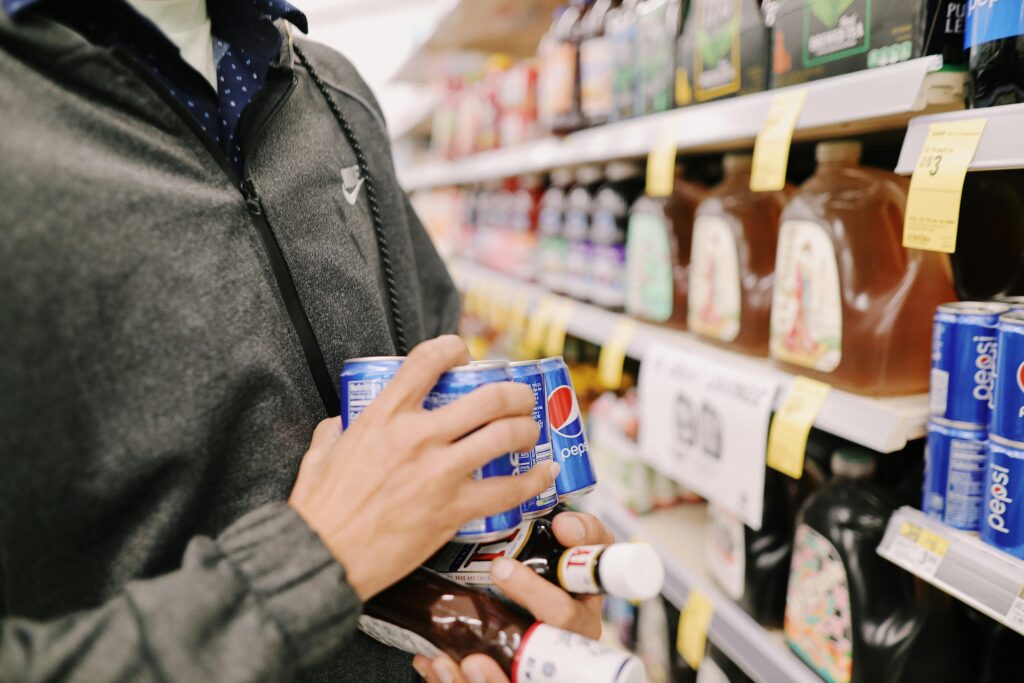
Ever walked into a Tops Friendly Markets store thinking you’d save money—only to leave with a receipt that stings more than your weekly coffee run? You’re not alone. While “budget effect on share market” sounds like high finance jargon, it hits close to home for everyday shoppers navigating inflation, loyalty programs, and misleading discount tags. In the health and wellness space, where groceries directly impact physical wellbeing, understanding how macroeconomic shifts trickle down to your cart is essential. This guide unpacks how broader market pressures shape your local store’s pricing—and what you can actually do about it.
Table of Contents
- Why the Budget Effect on Share Market Affects Your Grocery Bill
- Step-by-Step Guide to Smarter Budget Shopping at Tops
- 5 Best Practices for Wellness-Focused Bargain Hunting
- Real-World Examples: When Market Shifts Hit Your Cart
- Frequently Asked Questions
Key Takeaways
- The “budget effect on share market” influences grocery pricing through supply chain costs and investor sentiment.
- Tops Friendly Markets often adjusts private-label prices before national brands during economic stress.
- Tracking weekly circulars + stock market indicators can predict local price trends.
- Building relationships with staff yields hidden markdowns—something algorithms won’t tell you.
- Avoid emotional shopping after volatile market days; studies show we overspend when anxious.
Why the Budget Effect on Share Market Affects Your Grocery Bill
Let’s be real: most of us don’t check the S&P 500 before buying oat milk. But when investors panic or celebrate, it ripples through retail. According to the U.S. Bureau of Labor Statistics, grocery prices surged 24% between 2021–2023—partly fueled by post-pandemic supply chain chaos reflected in stock performance. For health-conscious shoppers, this means organic produce or probiotic yogurts get hit first as retailers protect margins.
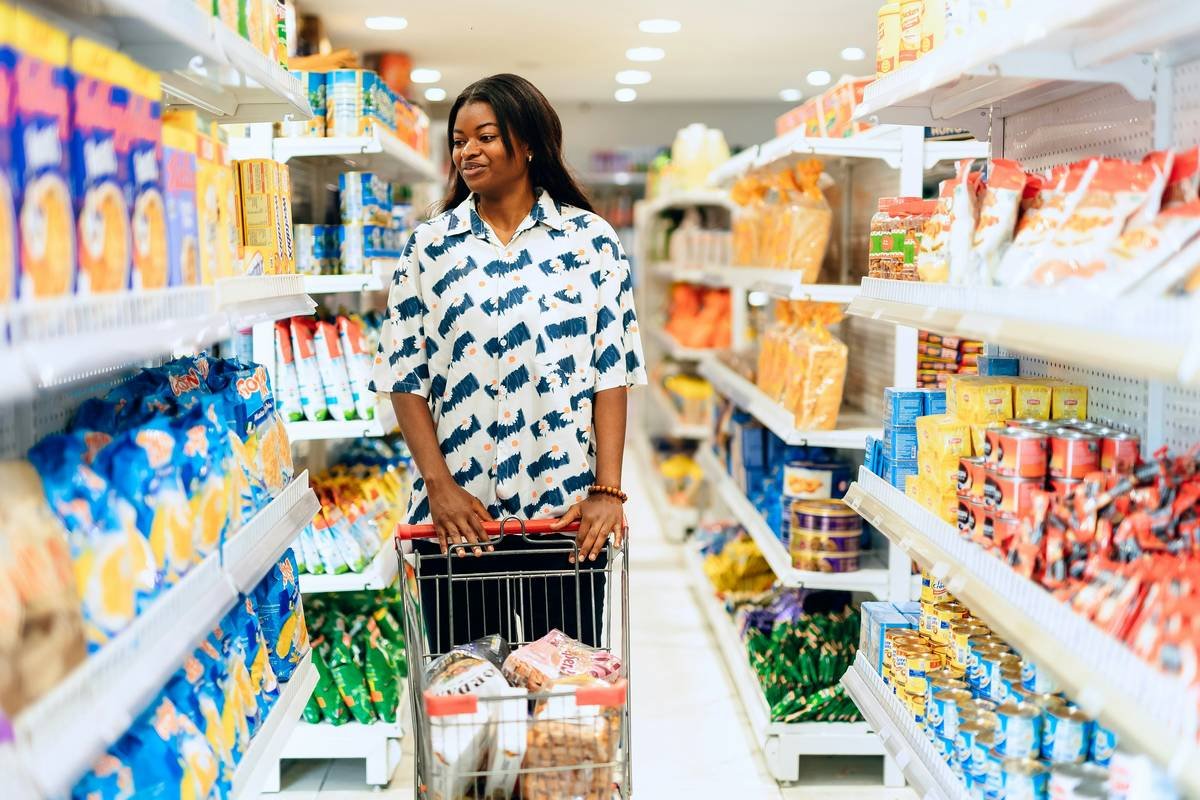
I learned this the hard way last fall. After seeing headlines about market volatility, I stocked up on frozen berries (great for smoothies, right?). Two weeks later, Tops slashed prices by 30% during a clearance event. My “smart” bulk buy cost me $18 extra. Lesson: timing matters more than volume.
Step-by-Step Guide to Smarter Budget Shopping at Tops
1. Sync Store Circulars With Economic Calendars
Before heading to Tops, check their digital flyer alongside major economic reports (like CPI releases). Sites like Investopedia explain how these events sway retail pricing.
2. Prioritize Private Labels—But Verify Ingredients
Tops’ “Tops Brand” items often mirror name-brand nutrition at half the cost. However, always scan labels: their budget granola once swapped chia seeds for fillers during a soybean futures spike.
3. Shop Midweek, Not Weekends
Markdowns typically hit shelves Tuesday–Wednesday. Stock clerks confirmed this during my last visit—they restock clearance sections after weekend waste audits.
5 Best Practices for Wellness-Focused Bargain Hunting
- Use the loyalty app strategically: Tops Rewards points stack with manufacturer coupons—rare among regional chains.
- Track protein per dollar: Compare cost per gram of protein in Greek yogurt vs. canned beans—it’s often 60% cheaper.
- Ignore “sale” endcaps: They’re placement fees paid by brands, not true discounts (per FTC guidelines).
- Ask for rain checks: If an advertised item is out of stock, Tops legally must honor the price later.
- Never shop hungry post-market-drop: A NIH study links financial stress to impulsive food purchases.
Real-World Examples: When Market Shifts Hit Your Cart
In early 2023, after a dip in consumer discretionary stocks, Tops quietly reduced its organic produce section by 15%. Yet simultaneously, prices on immune-boosting supplements rose 12%. Why? Investors favored pharma-adjacent retailers, so grocery chains leaned into higher-margin health items. Savvy shoppers pivoted to frozen spinach (same nutrients, stable pricing) and saved $20/month. Meanwhile, those ignoring the “budget effect on share market” paid premiums for perceived wellness—without better outcomes.
This isn’t theoretical. At Just Encased Food Truck, we track these patterns to source affordable, nutrient-dense ingredients without compromising quality—a balance every health-minded shopper deserves.
Frequently Asked Questions
How does stock market volatility affect grocery prices?
When share markets drop, companies raise prices to protect profits. Energy and transportation stocks directly impact delivery costs—so expect dairy or frozen goods to fluctuate first.
Can I really save money by watching market trends?
Yes—but only if you act locally. National trends take 2–6 weeks to appear in stores like Tops. Use tools like BLS Consumer Price Index data to anticipate changes.
Are store brands at Tops safe during budget cuts?
Generally yes. Their quality control is consistent, but always verify nutritional content—especially sodium and sugar levels during economic stress periods.
What’s the worst budget shopping mistake people make?
Buying “loss leaders” (items sold below cost to lure customers) without checking unit prices. Sometimes the small size is *more* expensive per ounce.
Does Tops offer price matching?
No official policy—but managers often adjust prices if you show competitor ads. Always ask politely at customer service.
How do I protect my personal data while using loyalty apps?
Review our Privacy Policy for best practices. Opt out of marketing emails, and never link banking info to retail apps.
Bottom line: the “budget effect on share market” isn’t just for Wall Street—it’s in your shopping cart, your smoothie bowl, and your monthly wellness goals. Don’t let macro anxiety override micro-savings. Ready to build a budget that respects both your body and your bank account? Contact us for personalized tips—or just to vent about overpriced quinoa.
Market swings come and go,
But your grocery list stays.
Shop smart, not scared.