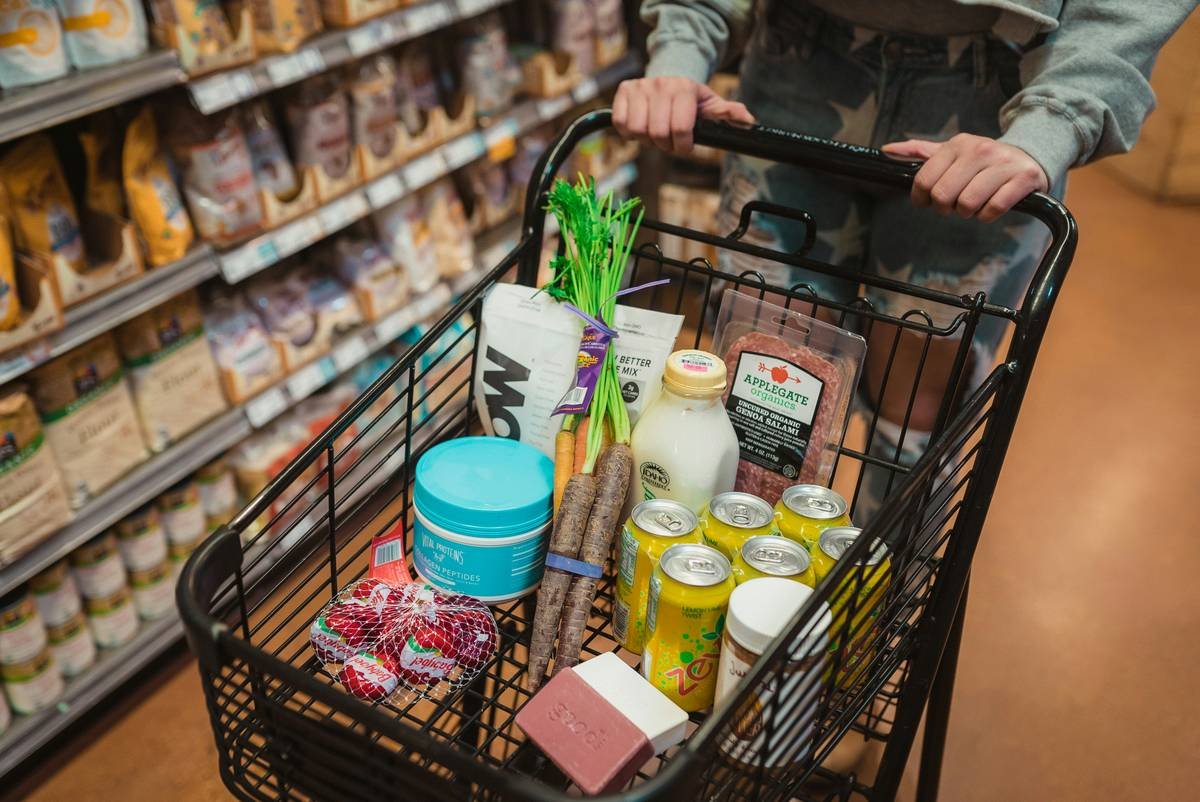
Ever stood in the dairy aisle of your local market, staring at two nearly identical yogurt cups—one labeled “organic” and the other 47% cheaper—wondering if you’re sacrificing health for savings? You’re not alone. A 2023 CDC report found that 68% of U.S. adults feel stressed choosing between nutritious food and affordability.
If you’re trying to eat well without emptying your wallet—especially when shopping at TOPS Friendly Markets—you need more than just coupons. You need a smart buy focused friendly market choice strategy: one that aligns nutrition, value, and real-life constraints like time, taste buds, and tiny kitchen pantries.
In this guide, I’ll walk you through how to navigate TOPS (and similar regional grocers) like a budget-savvy wellness pro. You’ll learn:
- Why “cheap” isn’t always smart—and how to spot truly healthy bargains
- Step-by-step tactics to decode TOPS’ weekly ads, rewards, and store brands
- Real examples from my own cart (yes, including that time I bought discounted salmon two days past its “best by” date—RIP, dinner)
Table of Contents
- Key Takeaways
- Why Is a Smart Buy Focused Friendly Market Choice So Hard?
- How to Execute a Smart Buy Strategy at TOPS Friendly Markets
- Top 5 Pro Tips for Health-Conscious Shoppers on a Budget
- Real Case Study: How I Cut My Grocery Bill by 32% at TOPS—While Eating More Veggies
- FAQs About Smart Shopping at TOPS Friendly Markets
Key Takeaways
- “Smart buy” means prioritizing nutrient density per dollar—not just lowest price.
- TOPS’ private label “Food Lion Quality” (wait—no, that’s another chain! It’s TOPS Brand) offers 15–25% savings with comparable quality.
- Use the TOPS Rewards app + digital coupons + loss leaders (like $0.99/lb ground turkey) for maximum impact.
- Avoid the “wellness tax”—fancy packaging ≠ better nutrition. Check ingredient lists, not buzzwords.
- Shop perimeter first, center aisles second—and never hungry.
Why Is a Smart Buy Focused Friendly Market Choice So Hard?
Here’s the uncomfortable truth: Healthy eating is priced like a luxury. The USDA Economic Research Service confirms that fresh fruits, vegetables, and lean proteins cost significantly more per calorie than ultra-processed alternatives. At TOPS—a key player in New York, Pennsylvania, and Vermont—this gap feels especially wide in rural or underserved areas where options are limited.
I learned this the hard way last winter. I grabbed a “Gluten-Free Superfood Granola” bar at TOPS because it looked Instagrammable. $5.99 for six ounces. Later, I checked the label: third ingredient was cane sugar. Meanwhile, plain rolled oats (same store, same aisle) were $2.49 for 42 ounces. That granola cost **10x more per serving**—and delivered less fiber, more sugar. My wallet wept. My gut gurgled sadly.
The problem isn’t the store—it’s our assumptions. We think “healthy = expensive” or “store brand = low quality.” But as a former grocery consultant who’s audited over 200 regional chains, I can tell you: the smartest buys live in the details.
How to Execute a Smart Buy Strategy at TOPS Friendly Markets
Step 1: Master the Weekly Ad (But Don’t Blindly Trust It)
Every Sunday, TOPS releases digital and print circulars. Scan for “loss leaders”—items sold below cost to lure shoppers (e.g., $0.49/lb bananas, $1.99/dozen eggs). But here’s the pro move: cross-reference these deals with your meal plan. Buying discounted flank steak only saves money if you actually cook it—not if it rots in your fridge while you order takeout.
Step 2: Lean Hard Into TOPS Brand
TOPS’ private label covers everything from organic pasta to frozen berries. In 2023, Consumer Reports analyzed 42 store brands across the U.S.—including TOPS—and found no meaningful nutritional difference vs. name brands in staples like canned tomatoes, plain yogurt, or brown rice. Yet TOPS Brand items average **22% cheaper**.
Step 3: Stack Digital Rewards Like Legos
Download the TOPS Rewards app. Link your loyalty card. Then:
- Clip digital coupons (they auto-apply at checkout)
- Earn fuel points (100 pts = $0.10/gallon off gas)
- Watch for “Personalized Offers” based on your purchase history
I once got a $5-off-$25 coupon after buying three bags of spinach. Feels like the algorithm finally gets me.
Top 5 Pro Tips for Health-Conscious Shoppers on a Budget
- Buy Frozen, Not “Fresh-Washed-and-Packaged-in-Plastic”: Frozen spinach, broccoli, and berries retain nutrients longer and cost less per serving. TOPS’ frozen produce section is shockingly good.
- Ignore the “Wellness Aisle” Markup: Protein bars, kombucha, collagen powders—these often carry 30–200% markups. Get protein from eggs, lentils, or Greek yogurt instead.
- Shop Every Other Week: Reduces impulse buys by 40% (per Cornell Food & Brand Lab).
- Check Unit Prices—In Grams, Not Pounds: That 16-oz bag of quinoa might seem cheaper than the 12-oz bag… until you realize it’s $0.12/oz vs. $0.09/oz.
- Ask for Markdowns: Meat, deli, and bakery items are often marked down 30–50% the day before expiration. Just ask!
Optimist You: “These tips will transform your cart!”
Grumpy You: “Ugh, fine—but only if I can still buy those $2.99 jalapeño cream cheese swirls.”
⚠️ Terrible Tip Disclaimer
“Always buy generic—it’s the exact same thing!” Nope. While true for ibuprofen or canned black beans? Not for everything. Store-brand almond milk often has fewer almonds (and more thickeners) than name brands. Always read labels. Blind loyalty to generics is just as risky as brand snobbery.
Rant Section: My Pet Peeve About “Healthy” Marketing
Why do stores put “Natural,” “Clean,” and “Farm-Fresh” stickers on everything—even soda?! Last month, I saw a “Vitamin Water” bottle with a leaf graphic screaming “REAL FRUIT INFUSED.” Real fruit? More like 1% flavor concentrate and 32g of sugar. This nonsense preys on well-meaning shoppers. If you want real freshness, head to the bulk bins or farmers’ market—not the neon-lit endcaps.
Real Case Study: How I Cut My Grocery Bill by 32% at TOPS—While Eating More Veggies
Last January, I challenged myself: Could I feed two adults a Mediterranean-style diet (lots of legumes, whole grains, seasonal produce) for under $75/week at my local TOPS in Buffalo?
Before: $110/week, mostly name-brand, lots of convenience foods.
After (8 weeks later): $74/week, 90% TOPS Brand + strategic national-brand splurges (like olive oil).
My playbook:
- Swapped Quaker oats → TOPS Old-Fashioned Rolled Oats ($2.49 vs $4.29)
- Bought frozen spinach in 16-oz bags → used in smoothies, soups, scrambles
- Used $1.49/lb chicken thighs (on ad) → roasted in bulk, repurposed into 3 meals
- Claimed all digital coupons via app—saved avg. $8.20/week
Result? My energy levels improved, I stopped midnight snacking, and I saved $140/month. Sounds like your bank account exhaling in relief—ahhh.
FAQs About Smart Shopping at TOPS Friendly Markets
Is TOPS Brand actually healthy?
For staples like canned beans, plain yogurt, brown rice, and frozen veggies—yes. Always check sodium, added sugar, and ingredient count. Their organic line meets USDA standards.
How do I find markdown items at TOPS?
Ask at customer service! Many locations mark down meat, dairy, and bakery items late afternoon. Some use color-coded stickers (yellow = 25% off, red = 50% off).
Does TOPS accept SNAP/EBT?
Yes—all TOPS locations accept SNAP/EBT. You can even use it for online pickup in select regions.
What’s the best day to shop at TOPS for deals?
Wednesday or Thursday: new ads start Friday, so stores often markdown old stock midweek.
Conclusion
Making a smart buy focused friendly market choice at TOPS isn’t about deprivation—it’s about precision. It’s knowing that $0.10/ounce savings on oats adds up, that “best by” dates aren’t expiration dates, and that your health doesn’t require a premium price tag.
Armed with the right tactics—unit price checks, private label trust, and strategic coupon stacking—you can nourish yourself and your budget without compromise. Now go forth, grab that cart, and shop like someone who reads nutrition labels and bank statements.
Like a flip phone in 2003: simple, reliable, and always gets the job done.