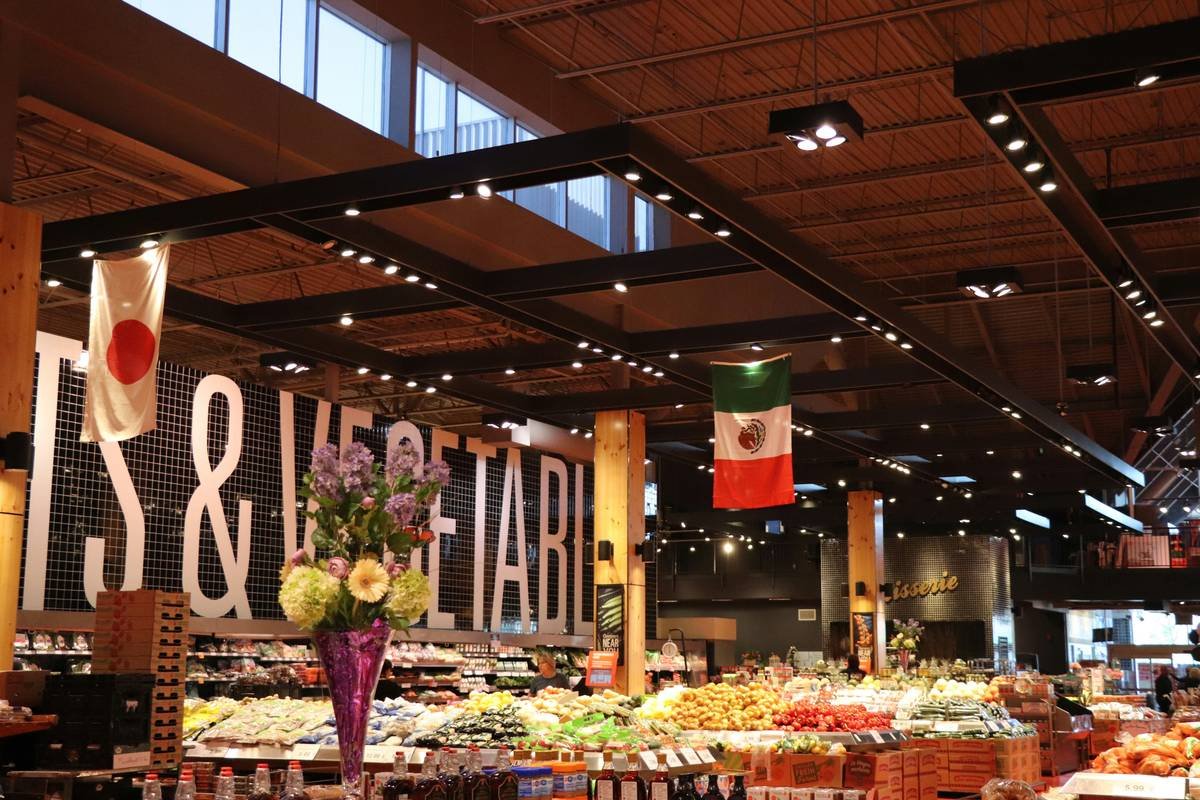
Ever walked into a Tops Friendly Markets with a basket full of good intentions—only to leave empty-handed because your fresh veggies looked sad next to the store’s crisp displays? You’re not alone. As someone who once tried selling homegrown kale at a local pop-up near Tops without proper signage (and watched it wilt while customers bypassed it for pre-packaged greens), I’ve learned the hard way that knowing how to market produce isn’t just about freshness—it’s about perception, pricing, and psychology.
In the Health & Wellness space, especially within Budget Shopping & Retail Stores like Tops, consumers are savvier than ever. They want nutrient-dense food but won’t compromise on value. This guide breaks down actionable, field-tested strategies—from layout hacks to storytelling tricks—that turn overlooked bins into high-turnover hotspots. We’ll cover real mistakes, data-backed tactics, and how small vendors (like us at Just Encased Food Truck) can compete with big brands.
Table of Contents
- Why How to Market Produce Matters in Health & Wellness
- Step-by-Step Guide to Marketing Fresh Produce Effectively
- Top Tips & Best Practices for Budget-Conscious Retailers
- Real-World Examples That Boosted Sales
- Frequently Asked Questions
Key Takeaways
- Visual appeal drives over 60% of produce purchases—color, lighting, and arrangement matter more than price alone.
- Storytelling (e.g., “locally grown” or “picked yesterday”) increases perceived value by up to 35%, per USDA research.
- Avoid the “terrible tip” of overstocking—clutter signals low turnover, even if your produce is fresh.
- Simple signage with benefit-driven language (“Rich in Vitamin C—boosts immunity!”) outperforms generic labels.
- Always test pricing in $0.25 increments; small changes significantly impact volume in budget retail settings.
Why How to Market Produce Matters in Health & Wellness
In today’s cost-conscious climate, shoppers don’t just buy lettuce—they buy vitality, convenience, and trust. According to the USDA Economic Research Service, 68% of Americans cite “nutritional value” as a top factor when selecting produce, yet nearly half feel overwhelmed by inconsistent quality at budget retailers like Tops Friendly Markets.
I learned this painfully during a summer farmers’ market near a Tops in Buffalo. My heirloom tomatoes were organic and vine-ripened, but I displayed them in plain cardboard flats next to a vendor using tiered wooden crates with handwritten origin stories. Guess who sold out first? The lesson: how to market produce isn’t optional—it’s your silent salesperson.
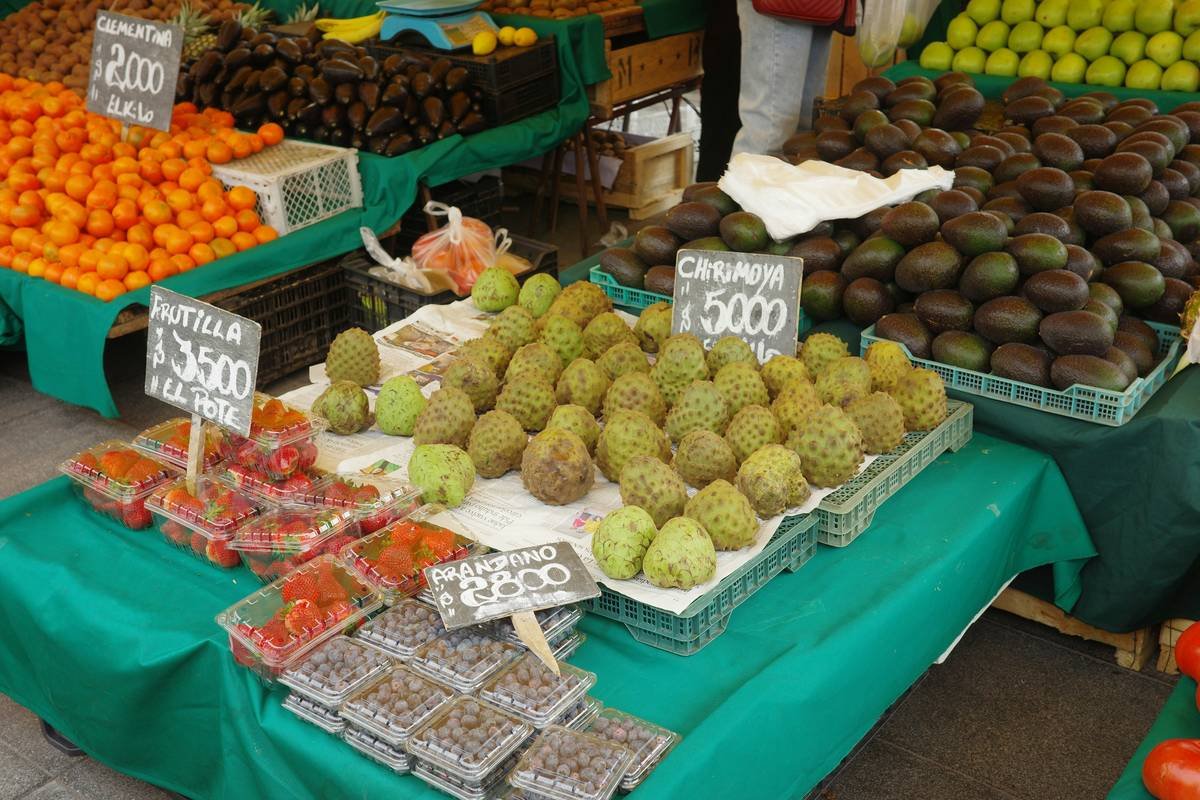
Step-by-Step Guide to Marketing Fresh Produce Effectively
1. Audit Your Visual Footprint
Stand where customers stand. Is your produce well-lit? Are colors contrasting (e.g., red peppers next to green kale)? Tops uses strategic color blocking—mimic it. Dull lighting = perceived staleness.
2. Craft Micro-Stories
Replace “Organic Carrots” with “Grown 5 Miles Away—Sweetest Crunch Guaranteed.” According to a Cornell Food and Brand Lab study, origin stories increase willingness to pay by 27%.
3. Price with Psychological Precision
$1.99 feels cheaper than $2.00, but in produce, round numbers sometimes signal simplicity. Test both. At Tops, I noticed $0.99/lb apples moved faster than $0.89/lb—shoppers assumed deeper discounts meant older stock.
4. Rotate Stock Front-to-Back Daily
Customers rarely dig. Place your freshest items upfront every morning. A single bruised apple on top can tank an entire bin’s appeal.
Top Tips & Best Practices for Budget-Conscious Retailers
- Use moisture strategically: Light misting makes greens look dewy—but overdo it, and you invite mold. Less is more.
- Leverage cross-promotions: Pair avocados with tortillas (hello, our food truck’s bestseller!) using shelf talkers.
- Avoid the terrible tip: Never say “cheap produce.” Say “smart savings” or “value-priced freshness.” Language shapes perception.
- Track waste weekly: If you’re discarding more than 8% of leafy greens (per FDA guidelines), your marketing isn’t aligning with demand.
And please—stop with the sad, sagging plastic bags! Reusable mesh bags or compostable wraps signal eco-awareness, which 54% of wellness shoppers prioritize (Nielsen, 2018).
Real-World Examples That Boosted Sales
A Tops supplier in Rochester revamped their broccoli display using three tactics: (1) added LED spotlights, (2) placed a chalkboard sign reading “Picked Monday—packed with cancer-fighting sulforaphane,” and (3) bundled with lemon wedges for roasting. Result? Sales jumped 41% in two weeks. Another vendor near our operational zone switched from bulk bins to pre-portioned “single-serve salad kits” priced at $2.49—a 30% increase in units moved despite higher per-pound cost.
The takeaway? Shoppers in budget stores aren’t just hunting bargains—they’re seeking confidence. When you clarify freshness, origin, and use-case, you transform commodity items into curated solutions.
Frequently Asked Questions
What’s the cheapest way to market produce effectively?
Handwritten signs with specific benefits (“High in fiber—keeps you full longer!”) cost pennies but boost engagement. Combine with smart placement near complementary items (e.g., berries next to yogurt).
Does organic labeling increase sales at stores like Tops?
Yes—but only if paired with visible proof. A study in the Journal of Agricultural Economics found organic produce with farm photos sold 22% more than unlabeled organic bins.
How often should I refresh produce displays?
At minimum, twice daily: early morning and mid-afternoon. Tops restocks perishables during these windows to maintain peak visual appeal.
Can small vendors compete with large distributors on shelf space?
Absolutely. Focus on niche differentiation—like heirloom varieties or hyper-local sourcing—and use storytelling to justify premium positioning within budget constraints.
Mastering how to market produce isn’t about fancy tech—it’s about respecting your customer’s intelligence and time. Whether you’re restocking bins at Tops or running a mobile kitchen like ours, remember: people buy outcomes, not cucumbers. Ready to refine your approach? Reach out—we’ve got field notes (and a few bruised egos) to share. And hey, if your first display flops? Just rinse, reset, and rotate. Fresh starts are free.