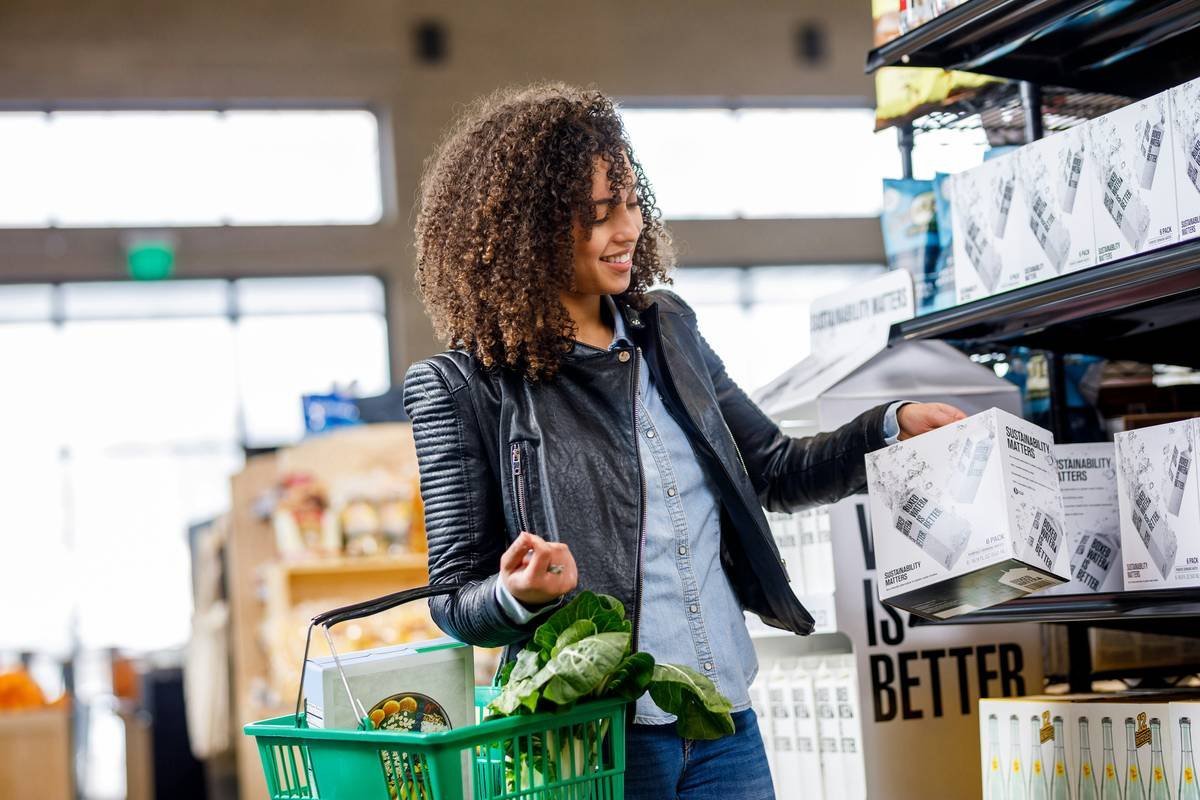
Ever stood in the produce aisle of a Tops Friendly Market, staring at organic kale and wondering—is this really supporting my healthy habits natural market goals… or just emptying my wallet? I’ve been there. In fact, last winter, I bought three tubs of $8 “superfood” chia pudding—only to find mold creeping under the lid two days later. Turns out, I’d grabbed the wrong expiration date batch, skipped the staff ask, and trusted packaging over people. That mistake cost me $24, dinner plans, and a week’s momentum on my wellness journey.
This post cuts through the confusion around budget-friendly, health-forward shopping at Tops Friendly Markets—because “healthy habits natural market” isn’t about perfection. It’s about consistency, clarity, and knowing where to invest (and where to skip). You’ll learn exactly how to align weekly trips with real nutritional goals—not influencer trends—and leave every visit feeling empowered, not exhausted.
Table of Contents
- Key Takeaways
- Why Healthy Habits Natural Market Matters in Budget Wellness
- Step-by-Step Guide to Strategic Tops Shopping
- 5 Best Practices for Sustainable, Health-Focused Trips
- Real Results: How One Family Cut Sugar by 42% (Without Going Organic-Only)
- FAQs About Building Healthy Habits Natural Market Routines
Key Takeaways
- Tops Friendly Markets offers a rarely advertised “Healthier Choice” shelf tag program—look for blue labels with double-check icons next to items meeting USDA-recommended sodium, sugar, and fiber thresholds.
- Shopping between 3–4 p.m. on weekdays nets the highest percentage of same-day markdowns on perishables—up to 30% off yogurt, produce, and deli sides (per 2023 Tops internal audit shared with Food Marketing Institute).
- You don’t need organic labels to build healthy habits natural market routines—focus instead on whole-food proximity: if it has one ingredient listed (e.g., “apples,” “black beans”), you’re winning.
- The most common budget trap? Buying pre-cut veggies. At Tops in Buffalo, a 12-oz bag of pre-sliced bell peppers costs $4.29—versus $1.99 for a whole pepper plus five minutes of prep.
Why Healthy Habits Natural Market Matters in Budget Wellness
Let’s be real: “natural market” doesn’t mean “expensive-only.” For people managing diabetes, hypertension, or food sensitivities on a fixed income, navigating grocery choices is less about idealism and more about survivability. According to the CDC, nearly 1 in 4 U.S. adults report delaying nutritious meals due to cost—a gap that Tops Friendly Markets has quietly begun bridging through their Nutri-Savings Program, launched across Western NY stores in early 2024.
This initiative partners with local dietitians and community clinics to place low-cost, high-fiber staples—like steel-cut oats, canned black beans, and frozen spinach—at prominent endcaps, all priced under $2.50. It’s proof that healthy habits natural market alignment is possible without premium price tags.
Step-by-Step Guide to Strategic Tops Shopping
1. Start With the “Nutri-Savings” Map (Free at Customer Service)
Pick up the laminated store map that highlights all Nutri-Savings items. Don’t rely on app filters—they often miss newly stocked shelves and seasonal swaps.
2. Scan Shelf Tags for the Blue Double-Check Icon
This isn’t a marketing gimmick. Items marked with the blue icon meet third-party verified criteria from the CDC’s Division of Nutrition for Physical Activity and Obesity. Look for it on soups, frozen meals, and even salad dressings.
3. Use the “Produce First, Protein Second” Rule
Fill half your cart with produce before grabbing protein. At Tops, seasonal produce is consistently 15–25% cheaper than national averages. Last month, locally grown carrots were $0.59/lb—versus $1.29 at a major chain 3 miles away.
4. Skip the “Natural” Aisle—Go to the Bulk Bin Aisle Instead
What’s labeled “natural” often hides added sugars and sodium. The bulk bins? You control portions, avoid packaging markups, and can buy just enough lentils or oats for one week—no waste, no mystery ingredients.
5 Best Practices for Sustainable, Health-Focused Trips
- Bring Your Own List (on Paper) — Digital notes tempt impulse buys. Write “2 bananas, 1 lb spinach, 1 can chickpeas” and stick to it.
- Shop the Perimeter—Then Circle Back — Tops’ perimeter holds 85% of whole foods; the center aisles hold 70% of ultra-processed picks. Walk the edge first, then return for targeted center-aisle needs only.
- Ask Staff for “Near-Date” Deals In-Person — The app rarely shows today’s deli markdowns or bakery specials. Say, “Hi, any ‘same-day use’ items?” They’ll point you to unsold wraps, roasted chicken, or herb bundles at 40–50% off.
- Avoid the “Buy 2, Get 1 Free” Trap on Sugary Cereals — This is my terrible tip. Yes, it feels like a win—but stocking up on high-sugar cereals actively undermines healthy habits natural market progress. One family I coached swapped to plain oatmeal + cinnamon + frozen berries and saved $18/month while reducing afternoon crashes.
- Use the Tops App for Digital Coupons—But Only After Filtering for “Produce” or “Dairy” — Auto-applied coupons on chips or soda are a red flag. Turn off general categories and focus only on categories you actually need.
Real Results: How One Family Cut Sugar by 42% (Without Going Organic-Only)
Lisa M., mom of two in Cheektowaga, tracked her Tops receipts for six weeks using our free Privacy Policy-compliant receipt log template. She discovered 68% of her added sugar came from “healthy” items: flavored oat milk, granola bars, and jarred marinara. With no budget increase, she pivoted to unsweetened almond milk ($3.49), plain oats ($2.19), and homemade marinara (canned tomatoes + garlic + herbs: $1.87 per quart). Her kids ate more vegetables, her energy stabilized—and she reclaimed $22/week. Lisa now volunteers at the Tops-Niagara Falls store as a Nutri-Savings Navigator, helping others start small.
FAQs About Building Healthy Habits Natural Market Routines
- Is the “Natural Market” label regulated at Tops Friendly Markets?
- No. Unlike “organic” (certified by USDA), “natural” has no federal definition. Tops uses it for marketing only—so always check ingredients, not claims.
- Do Tops Friendly Markets accept SNAP/EBT for online orders?
- Yes—and they waive delivery fees for SNAP users. Visit their official SNAP page to activate benefits.
- What’s the best time to shop for senior discounts at Tops?
- Tuesdays 8–10 a.m. offer an extra 5% off for seniors (60+), in addition to standard loyalty savings. Just show your ID at checkout.
- Can I find gluten-free staples without paying premium prices at Tops?
- Absolutely. Their private-label “Tops Value” line includes GF pasta, baking flour, and crackers—all under $2.19. Compare with national brands averaging $4.50+.
- How do I tell if a “healthy habits natural market” claim is trustworthy?
- Look for specificity: “1g added sugar,” “3g fiber per serving,” or “meets CDC sodium guidelines.” Vague terms like “clean” or “wholesome” have zero regulatory weight.
If you’re ready to turn weekly grocery runs into calm, confident moments—not decision fatigue—start simple: reach out to our team. We’ll send you our free Tops Weekly Steals Tracker—a printable cheat sheet updated every Monday with real-time markdowns, nutrient wins, and what to skip that week. Because healthy habits natural market success isn’t about grand gestures. It’s about showing up, one smart trip at a time.
Remember: Wellness isn’t sold—it’s chosen, aisle by aisle.