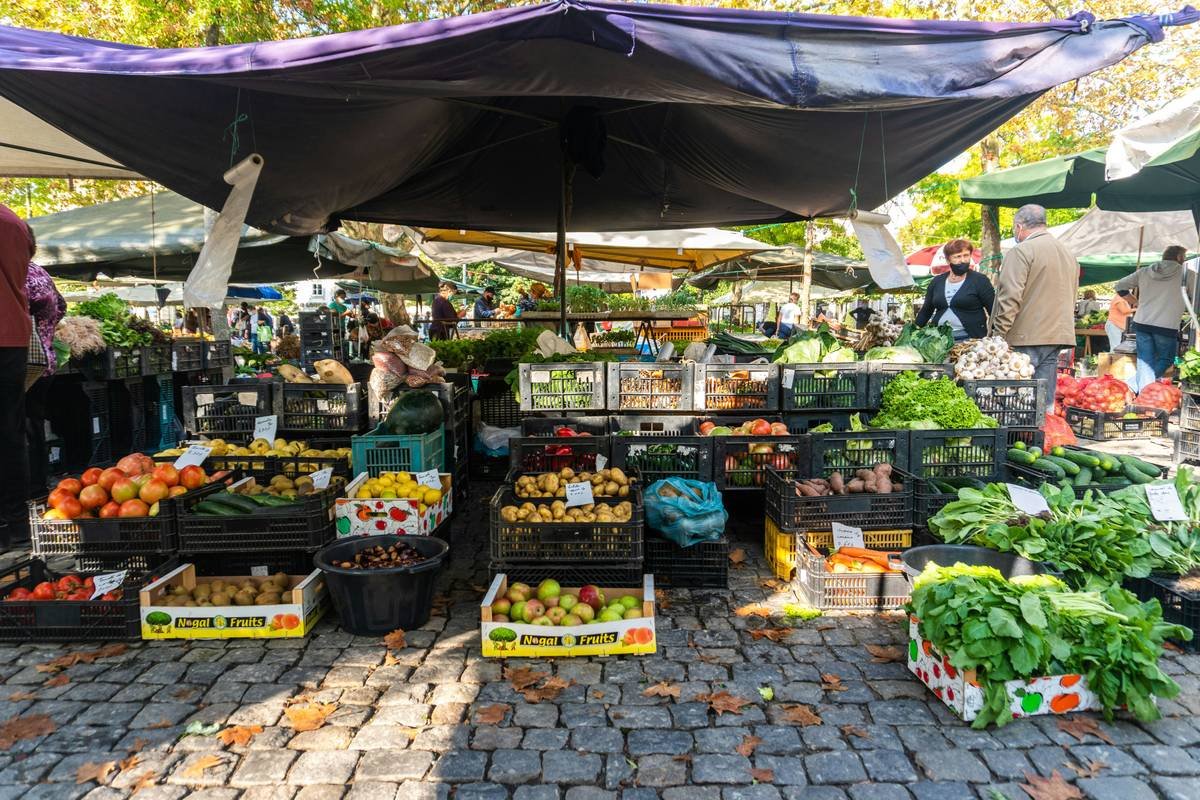
Trying to eat clean without blowing your grocery budget? You’re not alone. Most health-conscious shoppers get trapped in the “organic = expensive” myth—spending $8 on a single avocado while cheaper, fresher alternatives rot unseen just blocks away. The fix isn’t another coupon app. It’s showing up where real food and real prices meet: weekly friendly markets.
Why Big-Box “Healthy” Aisles Are Failing You
Supermarkets slap “wellness” labels on overpriced, underripe produce shipped from three states away. And let’s be honest—those pre-cut kale bags? Mostly water weight. You pay for packaging, logistics, and brand markup—not nutrition.
Meanwhile, local vendors at weekly friendly markets sell what’s actually in season—picked hours, not weeks, before you buy it. Shorter supply chains mean lower costs and higher nutrient density. Simple math. But few shoppers connect the dots.
Your Step-by-Step Guide to Maximizing Weekly Friendly Markets
Time Your Visit Like a Pro
Go early for selection. Go late for deals. Vendors slash prices 30–50% in the last hour to avoid hauling unsold goods back. Either strategy works—if you know your goal.
Build Vendor Rapport (It Pays Dividends)
Ask about their growing practices. Comment on flavor. Buy consistently. Soon, they’ll reserve ripe tomatoes for you—or toss in extra herbs “just because.” This isn’t manipulation. It’s community commerce.
Compare Unit Costs, Not Package Prices
That $4 bunch of organic kale might seem steep—until you realize it’s twice the weight of the $3 supermarket bunch. Always weigh or count per unit. Better yet, use this cheat sheet:
| Item | Weekly Friendly Markets Avg. Price (per lb) | Supermarket Avg. Price (per lb) | Savings |
|---|---|---|---|
| Leafy Greens (kale, chard) | $2.25 | $4.10 | 45% |
| Heirloom Tomatoes | $3.00 | $5.75 | 48% |
| Fresh Herbs (bunch) | $1.50 | $2.99 | 50% |
| Free-Range Eggs (dozen) | $4.50 | $7.25 | 38% |

The Industry Secret No One Talks About
Here’s what corporate grocers won’t admit: most “local” produce at chain stores isn’t actually local. It’s often rerouted through regional distribution hubs, adding days—and middlemen—to the journey. True weekly friendly markets cut that chain entirely. Farmers drive straight from field to stall. The result? Food that tastes like it should—and costs less than half. But—and this is critical—you must shop the market’s rhythm, not yours. Learn which vendors rotate crops weekly. Notice who brings surplus. That’s where the steals hide.

FAQ
What day are weekly friendly markets usually open?
Most operate on weekends (Sat–Sun), but urban pop-ups may run Wednesdays or Fridays. Check local listings—consistency varies by city.
Are weekly friendly markets really cheaper than supermarkets?
Yes—especially for seasonal produce, eggs, and baked goods. On average, shoppers save 35–50% when comparing equivalent quality items.
Can I use EBT/SNAP at weekly friendly markets?
Many do accept EBT! Look for signs saying “EBT Accepted” or ask the information booth. Some even offer matching programs (e.g., $10 EBT = $20 to spend).