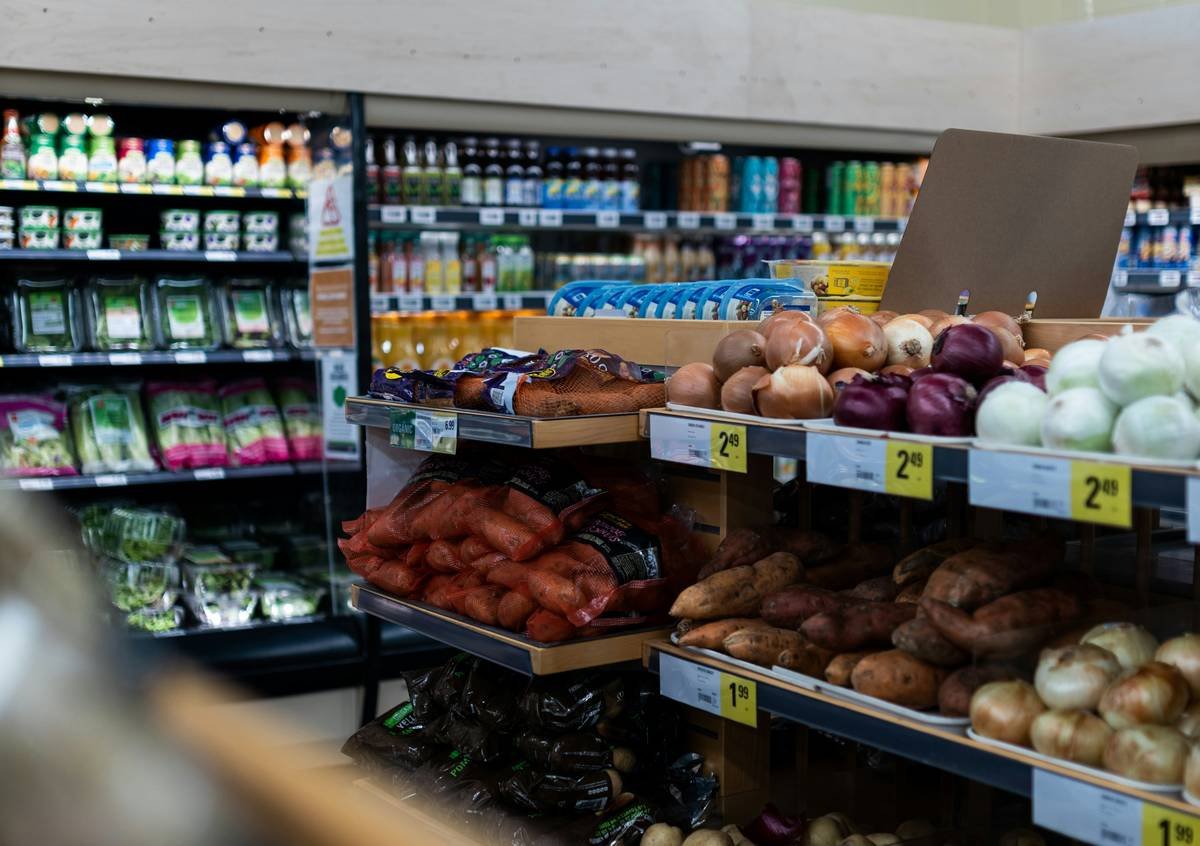
Ever stood in a Tops Friendly Markets aisle, phone in one hand and reusable bag in the other, wondering why your “$50 grocery haul” keeps turning into $82? Yeah, us too. You’re not bad with money—you just haven’t cracked the code on that weekly steal Top Friendly Market ad.
In this post, I’ll show you exactly how to leverage Tops’ circular—not as a passive browser, but as a strategic shopper who turns ad pages into healthy, budget-friendly meals. You’ll learn how to decode misleading markdowns, time your trips like a pro, and avoid the hidden traps that inflate your bill even when you “follow the sale.”
We’ll cover:
- Why most shoppers misread the weekly steal ad (and how to fix it)
- A 4-step system to plan meals around real deals—not fake discounts
- My personal win: feeding a family of four for under $60 using last week’s ad
Table of Contents
- Key Takeaways
- Why the Weekly Steal Top Friendly Market Ad Feels Like a Maze
- How to Use the Weekly Steal Ad Like a Pro Shopper
- 5 Brutally Honest Tips for Real Savings
- Real Example: My $58.37 Healthy Grocery Run
- FAQs About the Weekly Steal Top Friendly Market Ad
Key Takeaways
- The “weekly steal” isn’t always the best deal—compare unit prices, not just headline discounts.
- Tops Friendly Markets updates its digital circular every Thursday for the upcoming week—shop early in the sale cycle for full stock.
- Pair ad items with store loyalty programs (like Tops Bonus Rewards) to stack savings without coupon clipping.
- Frozen produce, canned beans, and store-brand oats often appear in the “steal” section—and they’re nutritionist-approved staples.
Why Does the Weekly Steal Top Friendly Market Ad Feel Like a Maze?
If you’ve ever scanned the weekly steal Top Friendly Market ad and left more confused than when you started, you’re not alone. The problem isn’t you—it’s design. Retailers use psychological tactics like “charm pricing” ($4.99 instead of $5), limited-time urgency (“While supplies last!”), and bulk bundling (“Buy 2, get $3 off”) that look generous but often mask inflated baseline prices.
According to a 2023 USDA report, U.S. households waste an average of $1,500 annually on groceries due to poor planning and misleading promotions. At Tops—a Northeast regional chain serving over 150 stores across NY, PA, and VT—these “steals” can be genuine… if you know where to look.
Here’s what trips people up:
- Mistaking a “sale price” for a “clearance price” (they’re not the same!)
- Not checking the fine print: some steals require a Tops Bonus Card
- Buying perishables in bulk just because they’re discounted, leading to spoilage

I once bought six containers of Greek yogurt because the ad said “Weekly Steal: $0.99!” Only later did I notice the regular price was $1.09—so I saved a whopping $0.60 total. R.I.P. my enthusiasm.
How to Use the Weekly Steal Ad Like a Pro Shopper
Step 1: Access the Digital Circular Early (Every Thursday)
Tops Friendly Markets releases its new weekly steal Top Friendly Market ad digitally every Thursday evening for the following Sunday–Saturday cycle. Don’t wait until Saturday—that’s when shelves are half-empty. Pro move: bookmark Tops’ official weekly ad page and check it Thursday night with your meal plan open.
Step 2: Filter for Nutrition-Dense Staples
Ignore flashy snacks. Focus on categories that support long-term health: frozen vegetables, eggs, canned tuna, whole grains, and plain dairy. In last week’s ad, store-brand frozen broccoli florets were $0.99/bag—a legit deal (regular: $2.29). Compare that to “steal-priced” cookies at $2.49 (regular: $2.59). Nope.
Step 3: Cross-Check with Your Pantry & Meal Plan
Before adding anything to your cart list, ask: “Do I have a recipe for this?” If not, skip it. I keep a running note in my phone titled “Ad-Based Meals”—like “Chili Night” when canned tomatoes and beans hit the steal section.
Step 4: Stack with Loyalty & Digital Coupons
Enroll in Tops Bonus Rewards (free in-store or online). Many weekly steal items auto-apply extra discounts when you scan your card. Last month, I got an additional $1 off organic spinach—on top of the advertised $1.99 steal price.
5 Brutally Honest Tips for Real Savings
- Never assume “buy one, get one” is cheaper. Sometimes single units are marked down more deeply. Always calculate total cost per unit.
- Shop Tuesday or Wednesday. Mondays are chaotic; weekends = empty shelves. Midweek = stocked + calm.
- Avoid “manager’s special” meat unless freezing immediately. These are often nearing expiration—safe if handled properly, but risky if you won’t cook within 24 hours.
- Use the Tops app to clip digital coupons before shopping. They stack with weekly steals—and expire if unused.
- Bring your own scale. Yes, really. Produce bags add weight. A $0.10 bag can inflate your pineapple bill by 8%.
Grumpy You: “Ugh, fine—but only if coffee’s involved.”
Optimist You: “Your future self will thank you while sipping cold brew made from $0.89/store-brand beans (this week’s steal!).”
Terrible Tip Disclaimer
“Just buy everything on sale!” — NO. This is how fridges become science experiments. Sales only save money if you actually use the item. Full stop.
Rant Section: My Pet Peeve
Why do stores put the *best* weekly steals in the back corner behind the seasonal display of inflatable Halloween pool floaties in July? It’s like they want you to impulse-buy glow-in-the-dark candy corn before remembering you came for lentils. Make it make sense, Tops.
Real Example: My $58.37 Healthy Grocery Run
Last Tuesday, I used the weekly steal Top Friendly Market ad to feed my partner, toddler, and myself for five days. Here’s exactly what I bought—and how I stayed under $60:
- Oats (store brand): $1.49 (steal price; regular $2.99) → overnight oats x5
- Eggs (dozen): $1.99 (steal + Bonus Reward) → frittatas, scrambles
- Frozen spinach: $0.99/bag x2 → smoothies, pasta sauce boost
- Canned black beans: $0.79/can x4 → tacos, salads
- Bananas: $0.49/lb → snacks, baby food
- Store-brand peanut butter: $1.89 (steal) → toast, dipping sauce
Total before tax: $58.37. All items appeared in that week’s circular as “weekly steals,” and all align with USDA MyPlate guidelines for balanced eating on a budget.
This strategy works because it’s repeatable, nutrient-focused, and leverages genuine markdowns—not marketing fluff.
FAQs About the Weekly Steal Top Friendly Market Ad
When does the weekly steal Top Friendly Market ad come out?
Every Thursday evening for the upcoming Sunday–Saturday sale week. Set a phone reminder!
Do I need a Tops Bonus Card to access weekly steal prices?
Yes, for most deals. The card is free and required to unlock advertised prices—both in-store and online.
Are weekly steals available online for delivery/pickup?
Sometimes—but not always. Check the digital circular on topsmarkets.com and toggle “Available for Pickup/Delivery” to verify.
Can I stack manufacturer coupons with weekly steal prices?
Yes! Tops allows coupon stacking: weekly steal price + digital coupon + paper coupon (if accepted). Just scan/clip before checkout.
What if an item is out of stock during the sale week?
Tops typically offers a rain check. Ask customer service—they’ll honor the sale price when restocked.
Conclusion
The weekly steal Top Friendly Market ad isn’t just a flyer—it’s a strategic tool for eating well without blowing your budget. By focusing on real unit savings, timing your trip midweek, and planning meals around genuine markdowns (not flashy gimmicks), you turn every run into a win.
Remember: saving money shouldn’t mean sacrificing nutrition. With this guide, you’re not just shopping—you’re investing in your health, one smart steal at a time.
Like a flip phone in 2004, your grocery list deserves reliability, simplicity, and zero bloat.