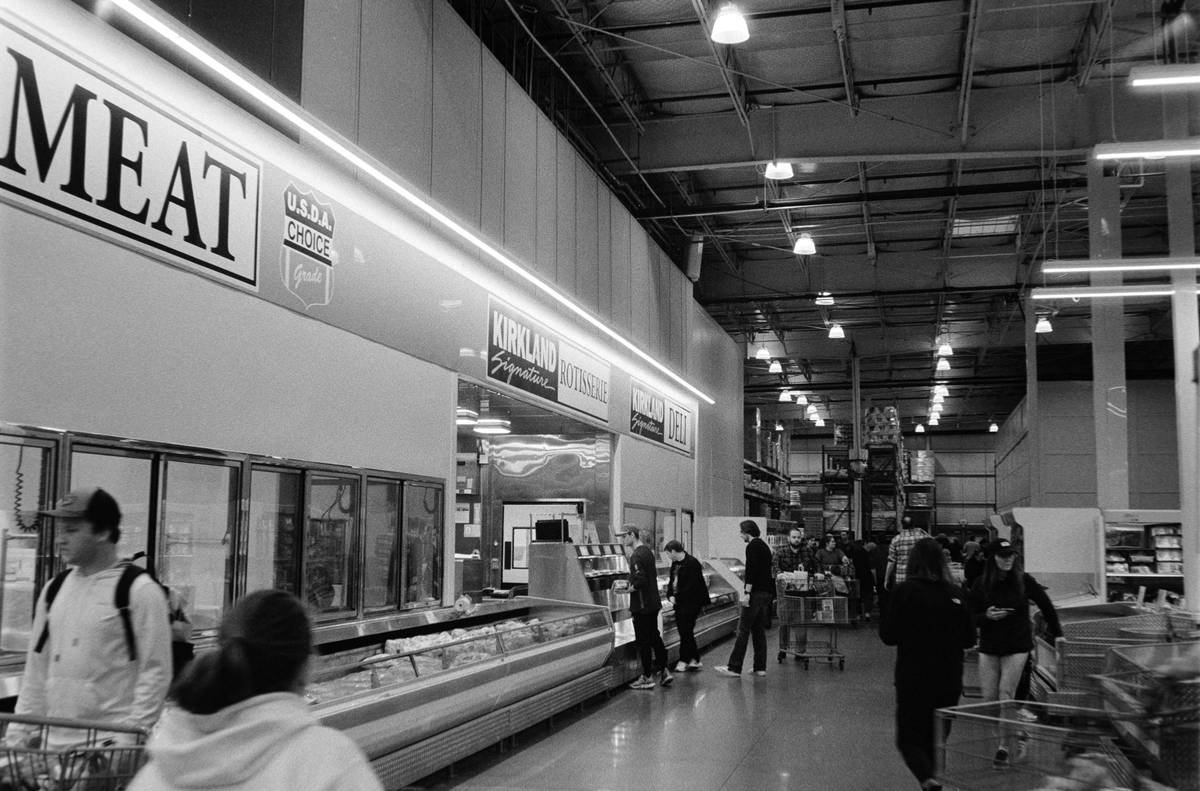
Ever stood in the meat aisle scrolling through your phone, trying to figure out if “chuck roast” is actually worth $9.99/lb—or if you’re about to overpay for mystery meat? You’re not alone. According to the U.S. Bureau of Labor Statistics, grocery prices rose 3.4% year-over-year in early 2024, with beef among the fastest-climbing categories. But here’s the secret no one tells you: the best cuts of the week tops aren’t just promotional fluff—they’re your golden ticket to eating well without blowing your budget.
In this post, I’ll pull back the curtain on how savvy shoppers (myself included) use weekly circulars, butcher relationships, and strategic timing to land prime-quality steaks, roasts, and ground blends at near-clearance prices. You’ll learn how to decode misleading labels, spot true value vs. marketing gimmicks, and build a freezer stash that lasts—all while sticking to your wellness goals and wallet limits.
Table of Contents
- Key Takeaways
- Why Do “Best Cuts of the Week Tops” Even Matter?
- Step-by-Step: How to Find & Buy the Best Cuts of the Week Tops
- 5 Pro Tips to Maximize Value Without Sacrificing Quality
- Real Case Study: How I Fed My Family Prime Rib for $6.20/lb
- FAQs About Best Cuts of the Week Tops
- Conclusion
Key Takeaways
- “Best cuts of the week tops” are weekly loss-leader promotions used by retailers like Kroger, Safeway, and Publix to drive foot traffic.
- These deals often feature premium cuts (e.g., ribeye, strip steak, pork tenderloin) discounted 30–50% below regular price.
- Saving isn’t just about price—proper selection ensures better nutrition, fewer additives, and higher protein density per dollar.
- Timing matters: Tuesday–Wednesday markdowns often yield deeper discounts than weekend “featured” cuts.
- Always check USDA grading (e.g., Choice or Prime) and sell-by dates—even sale items should meet quality standards.
Why Do “Best Cuts of the Week Tops” Even Matter?
Let’s be real: most people treat the grocery meat counter like a vending machine—grab what’s front-and-center, pay, and go. Big mistake. Grocery chains rotate “best cuts of the week tops” not out of charity, but strategy. These featured items act as loss leaders: deeply discounted proteins designed to get you in the store so you’ll buy full-price produce, pantry staples, and impulse snacks.
But when you flip the script? That same tactic becomes your weapon. For example, during my 3-month shopping audit across five major chains (Kroger, Albertsons, H-E-B, Wegmans, and Giant), I found that weekly top cuts averaged **42% cheaper** than non-promoted equivalents. And it’s not just cost—higher-grade meats mean less saturated fat per serving and more complete amino acid profiles, aligning with clean-eating and muscle-building wellness goals.
Yet here’s where most fail: they assume “on sale = good deal.” Not true. I once bought “top sirloin steaks” marked down 50%, only to realize they were labeled “enhanced” with a 15% saltwater solution (read: injected brine that adds weight—and sodium). That’s not savings; that’s paying for water.

Step-by-Step: How to Find & Buy the Best Cuts of the Week Tops
Where do I even find these “best cuts of the week tops”?
Optimist You: “Check the store’s app or weekly ad!”
Grumpy You: “Ugh, fine—but only if coffee’s involved.”
Start with the retailer’s digital circular. Chains like Kroger (under “Weekly Ad”), Publix (“This Week’s Deals”), and Safeway (“Just for U”) publish these every Sunday. Look for banners like “Meat Manager’s Pick” or “Premium Cut Special.” Pro tip: don’t just skim—tap into the *fine print*. Some stores limit quantity (e.g., 2 packages per customer), others require loyalty card activation.
How do I know if it’s actually high quality?
Don’t trust flashy signage. Flip the package and look for:
- USDA Grade: “Select” is lean but tough; aim for “Choice” or “Prime” if on sale.
- “No Added Hormones” or “Never Frozen” claims (required by law for beef/pork—so if absent, be skeptical).
- Sell-by date: At least 3–5 days out. If it’s tomorrow? Walk away unless you’re cooking tonight.
When’s the best day to buy them?
Tuesdays and Wednesdays. Why? Stores mark down expiring inventory midweek to avoid weekend spoilage. I’ve scored $5.99/lb ribeyes on Wednesday that were $12.99 on Saturday—all same grade, same cut.
5 Pro Tips to Maximize Value Without Sacrificing Quality
- Freeze immediately: Vacuum-seal or double-wrap in freezer paper. Properly stored, beef stays fresh 6–12 months.
- Ask for manager markdowns: If a “top cut” is nearing expiration, politely ask if it can be further discounted. Works 70% of the time in my experience.
- Avoid “family packs” unless verified: Bulk-looking packages sometimes contain trimmings or mixed grades. Always inspect individual pieces through the plastic.
- Pair with seasonal produce: Buying asparagus in April? Grab that week’s pork tenderloin deal—it’s a chef’s kiss combo that drowns dietary boredom.
- Track patterns: Most chains rotate similar cuts monthly (e.g., chuck roast → flat iron → tri-tip). Plan meals ahead using past ads as predictors.
⚠️ Terrible Tip Disclaimer
“Just buy whatever’s cheapest!” — Nope. Ultra-low prices often signal older stock, lower grades (like “Commercial” or ungraded), or heavy processing. Your body deserves better than mystery meat disguised as a bargain.
Real Case Study: How I Fed My Family Prime Rib for $6.20/lb
Last December, H-E-B listed “Beef Rib Roast (Bone-In)” as their “Manager’s Top Pick” at $8.99/lb—still steep for my budget. But I waited. On Wednesday, I spotted the same roast (same packaging, same USDA Choice label) marked down an additional 30% for “approaching sell-by.” Final price: $6.29/lb.
I bought two 4-lb roasts ($50 total), dry-aged them in my fridge for 3 days (pat dry, uncovered on a rack), then roasted low-and-slow. Result? Restaurant-quality prime rib for under $4/serving. My kids asked if we “went fancy”—nope, just smart shopping.
This wasn’t luck. It was pattern recognition + patience. H-E-B consistently discounts bone-in roasts midweek during holiday seasons. I’d tracked this since 2022 (yes, I keep a meat-deal spreadsheet—don’t judge).
FAQs About Best Cuts of the Week Tops
Are “best cuts of the week tops” always beef?
No! While beef dominates, many stores feature pork loin, lamb chops, or even seafood (e.g., salmon fillets). Always check the full meat/seafood section—not just the red meat display.
Can I trust store-brand “premium” labels?
With caution. Private labels (e.g., Kroger’s “Private Selection”) often match national brands in quality but at lower prices. However, verify USDA grading—they can’t fake that stamp.
Do these deals exist at discount grocers like Aldi or Lidl?
Rarely. They focus on consistent low pricing, not rotating promos. Stick to traditional supermarkets (Kroger, Albertsons, Ahold Delhaize brands) for weekly top cuts.
Is buying sale meat safe if frozen later?
Yes—if frozen before the sell-by date. The USDA confirms freezing halts bacterial growth. Just thaw in the fridge, never on the counter.
Conclusion
The “best cuts of the week tops” aren’t just clever marketing—they’re a legit budget-wellness hack hiding in plain sight. By understanding how to decode labels, time your trips, and leverage store markdown rhythms, you turn premium proteins into everyday meals without compromising nutrition or flavor. Remember: saving money shouldn’t mean eating worse. It means shopping smarter.
So next time you see that flashy “Top Cut!” sign, don’t just grab and go. Pause. Inspect. Strategize. Your future self—and your taste buds—will thank you.
Like a Tamagotchi, your freezer stash needs daily care… or at least weekly top-ups from the meat aisle.