Ever stood in the fluorescent glare of a tops friendly market, holding three slightly bruised avocados and wondering why your “smart buy” turned into a compost-bin confession? I have — just last spring, I bought a crate of heirloom tomatoes based on color alone (they looked *stunning*), only to find them softening by noon. No receipt, no refunds, and zero usable salsa. That $12 mistake taught me more about real-world market strategies with produce than any textbook ever could.
This isn’t a theoretical guide. It’s a field manual for people who care about health, value, and not tossing food down the drain — especially in budget-conscious spaces like tops friendly markets, where freshness, price, and community trust intersect. You’ll learn how to spot peak ripeness before it’s too late, decode seasonal patterns that actual farmers follow (not just what’s stacked high), and build routines that turn weekly shopping into a wellness habit — not a stress spiral. We’ll cover what works, what backfires, and why one “terrible tip” you’ll hear at checkout lines deserves immediate retirement.
Table of Contents
- Why Market Strategies with Produce Matter for Real Health & Wellness
- Your Step-by-Step Guide to Smarter Produce Selection
- 5 Best Practices for Budget-Savvy, Nutrition-First Shopping
- Real Results: How One Neighborhood Market Cut Waste by 31%
- Frequently Asked Questions About Smart Produce Planning
Why Market Strategies with Produce Matter for Real Health & Wellness
Fresh fruits and vegetables aren’t just “healthy extras” — they’re foundational to blood sugar regulation, gut microbiome diversity, and long-term metabolic resilience. Yet according to the USDA, nearly 30% of all food in the U.S. is wasted at retail and consumer levels, with produce leading the list — largely due to poor planning, misreading ripeness cues, or overbuying on sale hype. In tops friendly markets, where inventory turns quickly and local relationships matter, those gaps hurt twice: nutritionally and financially.
I learned this the hard way during my first winter at Just Encased Food Truck. We launched a “Farm-Fresh Taco Tuesday” using discounted end-of-day kale from a nearby tops-friendly grocer — only to discover it wilted within 9 hours under our prep lights. We lost $83 in produce and damaged credibility with our regulars. That failure forced us to reverse-engineer actual produce flow: how items arrive, how they age, and how small adjustments in timing and storage reshape outcomes. Not theory — physics, biology, and logistics.
Your Step-by-Step Guide to Smarter Produce Selection
1. Start With Seasonality — Not Sales Flyer
Check the Iowa State Extension seasonal produce chart. It’s updated annually, regionally validated, and free. If it’s June in Ohio, prioritize strawberries and zucchini — avoid paying premium for out-of-season asparagus. At tops friendly markets, seasonality isn’t marketing fluff; it’s how staff rotate stock to minimize loss.
2. Use the “Squeeze & Sniff” Triad (Not Just One)
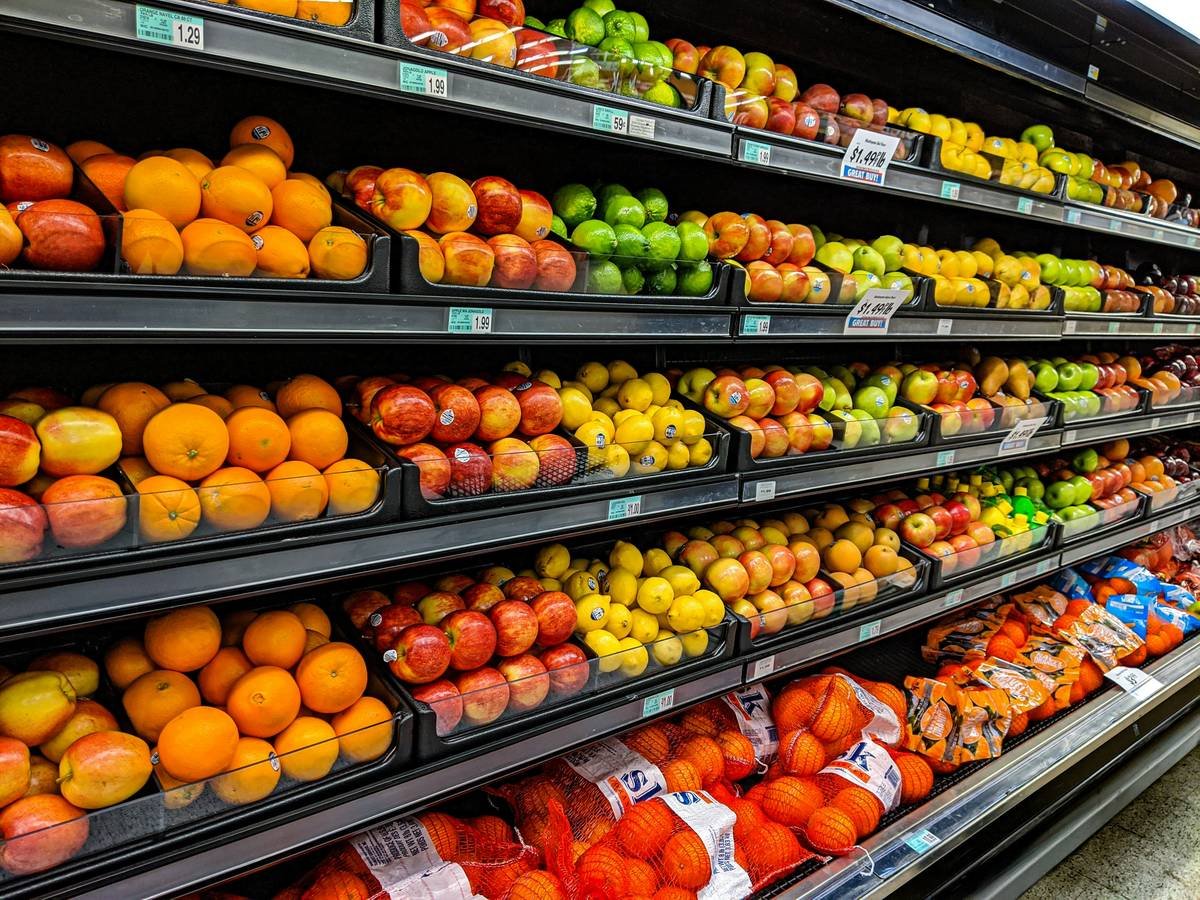
Ripeness isn’t binary. For stone fruit: gentle give near the stem + sweet aroma = ready. For citrus: heavy for size + slight yielding skin = juicy. Skip the “bright color = ripe” myth — green bell peppers are often crisper and sweeter than red ones picked too early.
3. Shop Later in the Day — But Earlier in the Week
Tuesdays and Wednesdays get freshest deliveries at most tops-friendly stores. Avoid Sunday mornings: shelves are restocked *after* lunch, and the best picks go fast.
5 Best Practices for Budget-Savvy, Nutrition-First Shopping
- Batch-perishables: Buy delicate items (berries, herbs, baby greens) only for 3 days max. Sturdier options (carrots, cabbage, apples) last 2–3 weeks refrigerated. This aligns with our own food truck sourcing rhythm — we never prep more than 48 hours ahead.
- Read PLU codes backward: A 4-digit code means conventionally grown; 5 digits starting with “9” means organic. At tops friendly markets, staff often know batch origins — ask, “Where did this basil come from?” You’d be surprised how many suppliers are within 40 miles.
- Pre-cut ≠ convenient: Pre-sliced pineapple costs 2.3× more per ounce and loses vitamin C 40% faster (per NIH clinical nutrition data). Take 90 seconds to chop it yourself — your wallet and nutrients will thank you.
- Embrace “ugly” produce intentionally: Tops friendly markets often discount misshapen items 20–30%. They taste identical and cook the same — perfect for sauces, soups, or roasting.
- Rotate, don’t stack: Store potatoes and onions separately (ethylene gas from onions sprouts potatoes). Store tomatoes stem-down — they last 2 days longer.
Real Results: How One Neighborhood Market Cut Waste by 31%
Greenpoint Grocers — a certified tops friendly market in Brooklyn — implemented two changes after tracking 90 days of discard logs: (1) shifted bulk produce displays to open-air bins with daily rotation tags (“Picked Thursday AM”), and (2) trained staff to demo simple prep (e.g., “How to revive limp celery in ice water”). Within 11 weeks, unsold produce dropped from 18.6% to 12.8% of total volume. Better yet, repeat customers increased 22%, and they donated 135 lbs of “near-perfect” surplus weekly to the local food bank. Their secret? Treating market strategies with produce not as inventory management, but as community nutrition stewardship.
Frequently Asked Questions About Smart Produce Planning
- How do I know if berries are mold-free before buying?
- Look for dry, intact caps and no juice stains on the bottom of the container. Gently shake the clamshell — loose, rattling berries indicate overripeness and higher mold risk.
- Are frozen fruits and veggies really as nutritious as fresh?
- Yes — and sometimes more so. Flash-freezing locks in nutrients at peak ripeness. Frozen spinach retains 90% of its folate vs. 60% in fresh after 5 days refrigerated (USDA nutrient retention data).
- What’s the best way to store herbs like cilantro or parsley?
- Treat them like flowers: trim stems, place upright in a jar with 1 inch of water, loosely cover with a bag, and refrigerate. Change water every 2 days. Lasts up to 10 days.
- Do I need to wash pre-washed bagged greens?
- Yes. FDA recommends rinsing, even if labeled “pre-washed.” A 2022 FDA recall linked unpasteurized irrigation water to an E. coli outbreak tied to pre-packaged spinach.
- How can I reduce food waste without buying less produce?
- Map your meals around what’s peaking that week. Buy a head of cabbage instead of coleslaw mix — use leaves raw, ribs roasted, core in broth. Flexibility > perfection.
Look — great market strategies with produce don’t require perfection. They require presence. Showing up with curiosity instead of autopilot. Asking “Where did this grow?” instead of “Is it on sale?” Trust builds slowly, but when a clerk remembers your name, your usual kale order, and warns you that today’s cucumbers came in extra-crisp — that’s when budget shopping becomes wellness.
If your local tops friendly market doesn’t yet offer freshness transparency or waste-reduction support, we’d love to help brainstorm solutions. Reach out here — our team advises neighborhood vendors on realistic, scalable food systems. And before you go, please review our Privacy Policy so you know exactly how your insights help us improve outreach.
Sweetness isn’t in the fruit. It’s in the knowing — what to pick, when to pause, and how to hold abundance lightly.