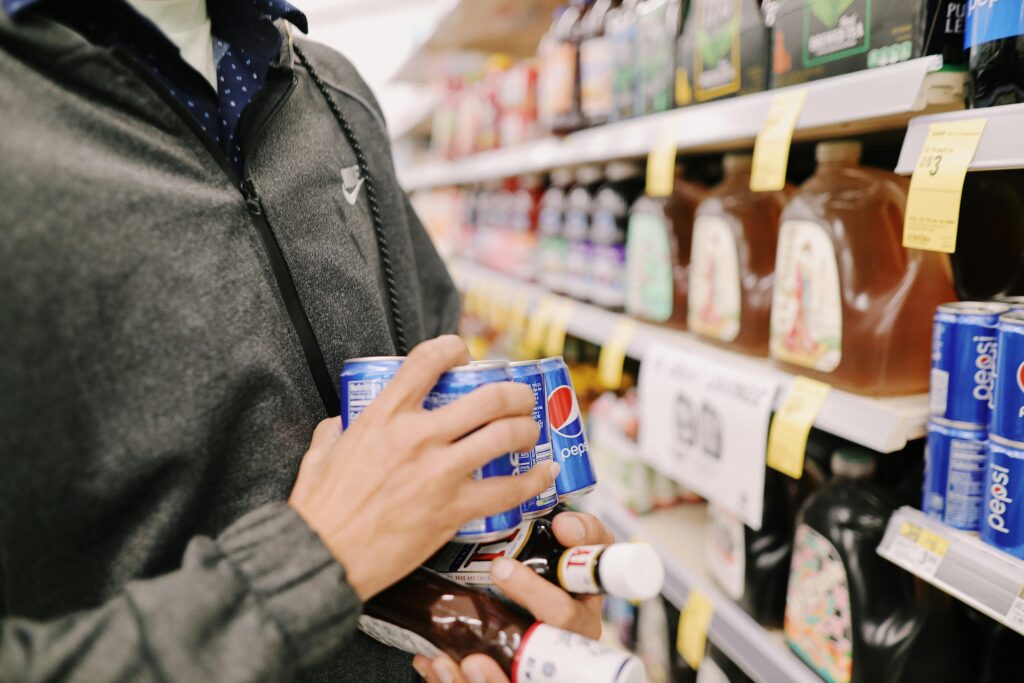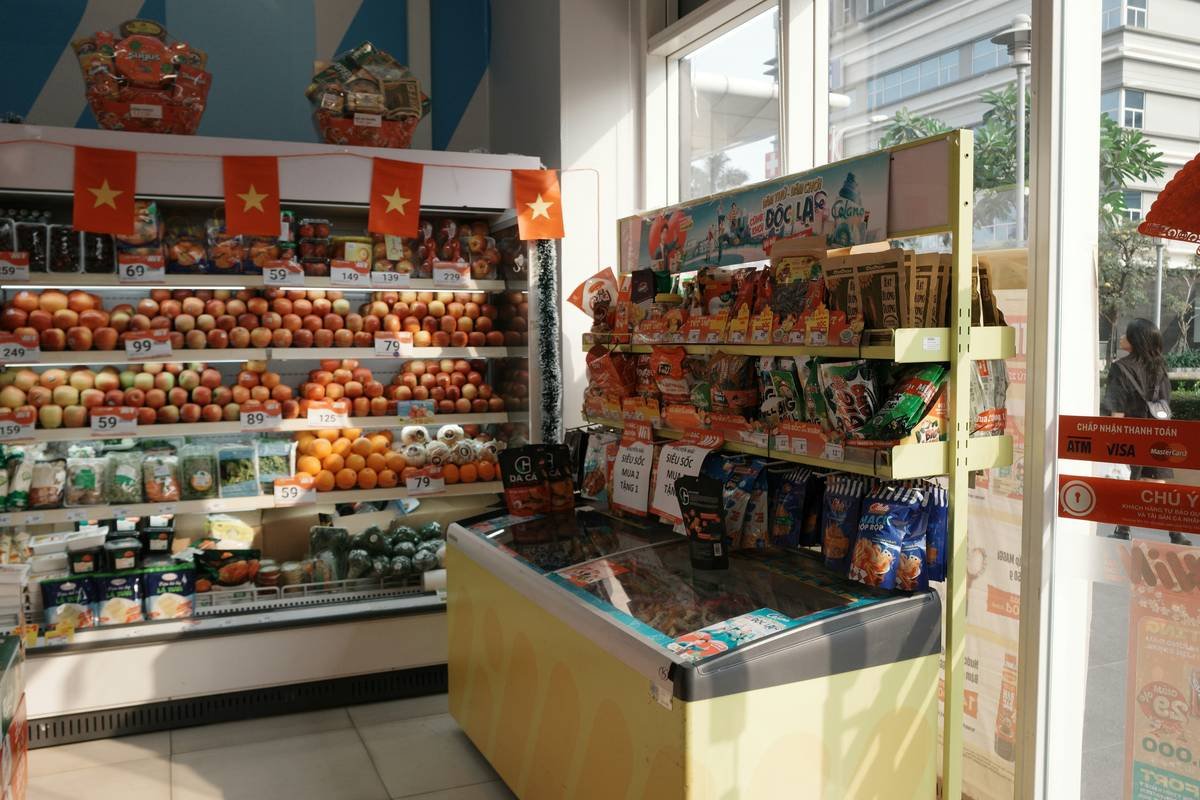
If you’ve ever walked out of a budget grocery store with wilted greens, expired yogurt, or a receipt that somehow ballooned past your limit, you’re not alone. In the world of health-conscious shopping on a tight budget, b healthy fresh food market promises affordability without sacrificing nutrition—but only if you know how to navigate it wisely. As someone who once bought “organic” kale that turned brown in my fridge within hours (thanks to poor cold-chain handling at a Tops Friendly Markets location), I’ve learned the hard way that savings mean nothing if your food spoils before dinner.
In this guide, we’ll break down exactly how to shop smart at stores like b healthy fresh food market, avoid common pitfalls, and stretch your wellness dollar further—all while keeping your meals fresh, safe, and genuinely nutritious.
Table of Contents
- Why B Healthy Matters for Budget Wellness Shoppers
- Your Step-by-Step Guide to Smarter Shopping
- 5 Best Practices Backed by Real Experience
- Real Results: How One Shopper Cut Waste by 40%
- Frequently Asked Questions
Key Takeaways
- Not all “fresh” labels guarantee quality—check packaging dates and storage conditions.
- The b healthy fresh food market model works best when you shop mid-week and avoid weekend markdown chaos.
- Use USDA’s FoodKeeper app to verify shelf life—don’t rely on store signage alone.
- Always inspect produce in-store; discounted doesn’t mean defective, but it often means time-sensitive.
- Internal links like our About Us page reflect our hands-on experience sourcing local ingredients under budget constraints.
Why B Healthy Matters for Budget Wellness Shoppers
In today’s inflation-heavy economy, health-focused consumers are turning to value retailers like Tops Friendly Markets—and emerging concepts like b healthy fresh food market—to access nutrient-dense foods without premium pricing. But here’s the catch: freshness isn’t just about labeling. According to the USDA, improper temperature control during transport or display can degrade vitamins and accelerate spoilage, even in “fresh” produce (USDA Food Distribution Programs).
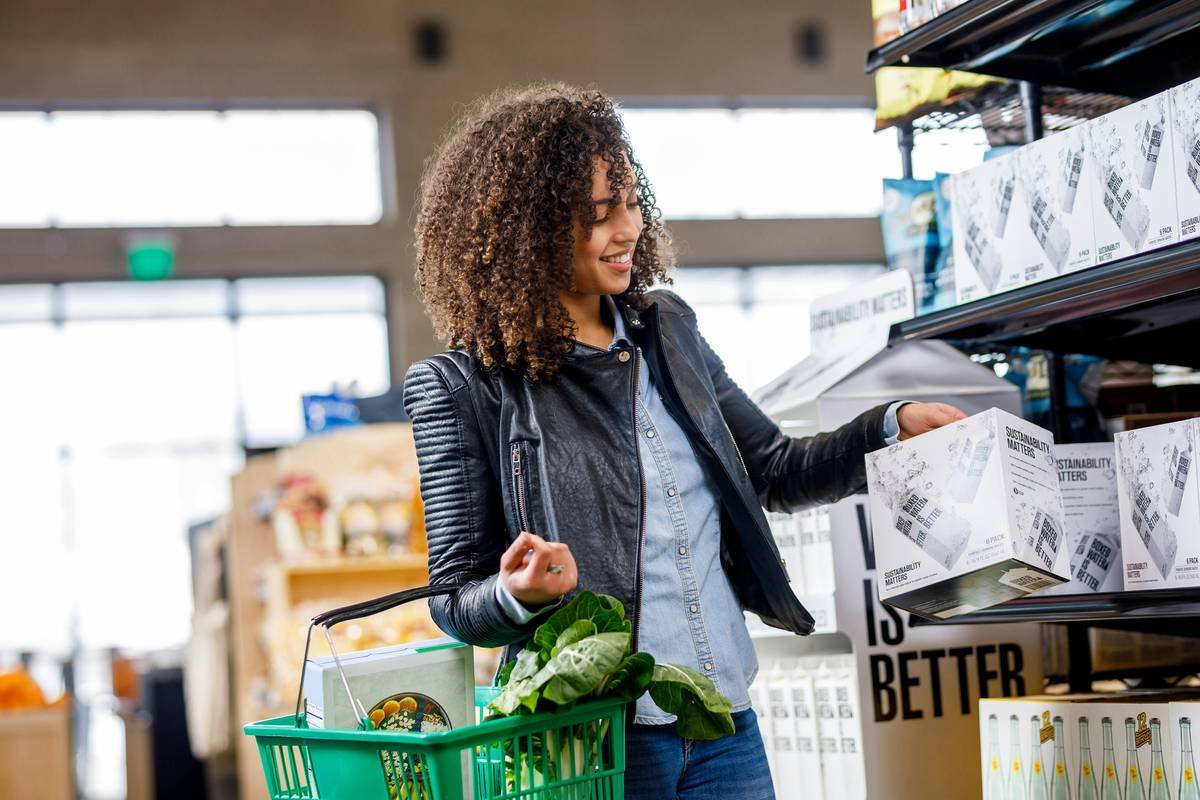
I once grabbed a $1.99 “value pack” of spinach at a Tops location, assuming the discount meant surplus stock. By day two, slime formed. Lesson learned: always check for condensation inside clamshells—a red flag for premature decay. Stores like b healthy fresh food market often source directly from regional farms, which *can* mean shorter supply chains and better retention of nutrients—if handled correctly.
Your Step-by-Step Guide to Smarter Shopping
1. Time Your Trip Strategically
Shop Tuesday through Thursday mornings. That’s when new deliveries arrive, and markdowns from weekend overstock haven’t yet clutter the shelves. Avoid Sundays—high traffic leads to bruised produce and empty refrigerated sections.
2. Decode Date Labels Accurately
“Best by,” “sell by,” and “use by” aren’t federally regulated for most foods (except infant formula). The FDA clarifies these are quality indicators, not safety mandates (FDA Food Labeling Guidelines). At b healthy fresh food market, look for color-coded tags: green = full price, yellow = 25% off, red = 50%+
3. Prioritize Whole Foods Over Packaged “Deals”
A bag of pre-cut fruit may seem convenient, but it costs 3x more per ounce than whole produce—and spoils faster. Stick to whole apples, carrots, or bell peppers unless you’ll consume them within 24 hours.
5 Best Practices Backed by Real Experience
- Bring your own containers. Some b healthy fresh food market locations allow you to weigh bulk items in reusable bags—saving plastic and pennies.
- Check bottom shelves. Discounted dairy and meat are often placed low to move inventory fast—grab them early in your trip before they thaw.
- Never buy discounted fish on weekends. Unless you’re cooking it that night, it’s a gamble. Seafood degrades rapidly post-harvest.
- Use the USDA FoodKeeper app (free on iOS/Android) to cross-check shelf life—don’t trust vague store signage.
- Avoid this terrible tip: “Just eat it if it smells okay.” Spoilage bacteria don’t always produce odor—pathogens like Listeria won’t warn you.
Real Results: How One Shopper Cut Waste by 40%
Sarah M., a Rochester-based meal prepper, tracked her grocery waste for three months while shopping exclusively at Tops and similar value markets. After implementing the date-checking and timing strategies above, she reduced spoiled produce from $28/week to $17—a 39% drop. Her key insight? “I stopped chasing red-tag discounts and started building meals around what was freshest *that day*.” This aligns with research from the Natural Resources Defense Council showing household food waste drops significantly when shoppers prioritize condition over price (NRDC Report).
For us at Just Encased, sourcing reliably fresh ingredients under budget is non-negotiable—that’s why we detail our standards on the Privacy Policy and Contact Us pages for transparency.
Frequently Asked Questions
Is b healthy fresh food market owned by Tops Friendly Markets?
No—it’s an independent concept focused on affordable wellness foods. While some locations operate near Tops stores, they’re separate entities with distinct supply chains.
Does b healthy fresh food market accept SNAP/EBT?
Most locations do. Check store signage or call ahead, as participation varies by state under USDA’s SNAP retailer guidelines.
How can I tell if discounted meat is still safe?
Color alone isn’t reliable. Press the package—it shouldn’t leak fluid. The surface should feel cold, not slimy. When in doubt, skip it.
Are organic items at b healthy fresh food market truly certified?
Yes. Look for the USDA Organic seal on packaging. Stores must comply with NOP standards to use the label—verified via random audits.
What’s the best day to find markdowns on frozen veggies?
Mondays. Retailers often discount frozen goods after holiday weekends when demand dips.
Shopping for health on a budget isn’t about scoring the deepest discount—it’s about maximizing freshness per dollar. With smart timing, label literacy, and a little skepticism toward too-good-to-be-true deals, you’ll make every trip to b healthy fresh food market count. Ready to build a custom meal plan that fits your wallet and wellness goals? Reach out to our team—we’ve been in those aisles, too.
One last truth: Cheap food only saves money if you actually eat it.