You want nutrient-dense, clean-label groceries—but prices at the better health food market feel like they’re priced for Silicon Valley, not your kitchen. You scroll past “$8 almond butter” and wonder if eating well means sacrificing rent money. Here’s the truth: you don’t need deep pockets—you need smarter habits.
Why Most Shoppers Fail at Affordable Healthy Eating
They walk in with a vague mission: “eat cleaner.” No list. No plan. Just hope—and a credit card.
And then? They fall for premium packaging, influencer-endorsed superfoods, or misleading “organic” labels slapped on overpriced basics. The result? A $95 cart full of flax crackers and kombucha… and zero actual meals.
Retailers know this. That’s why the priciest items sit at eye level—while real value hides low, high, or tucked behind flashier labels.
How to Navigate Any Better Health Food Market Like a Pro
Forget clipping coupons. Real savings come from strategy—not hacks.
Shop the Perimeter (Then Dive In)
Yes, produce, dairy, and fresh proteins live on the edges. But don’t stop there. The frozen aisle often holds organic berries, wild-caught fish, and pre-chopped veggies at half the fresh price. Same nutrition. Lower cost.
Buy Ugly. Buy Bulk. Buy Generic.
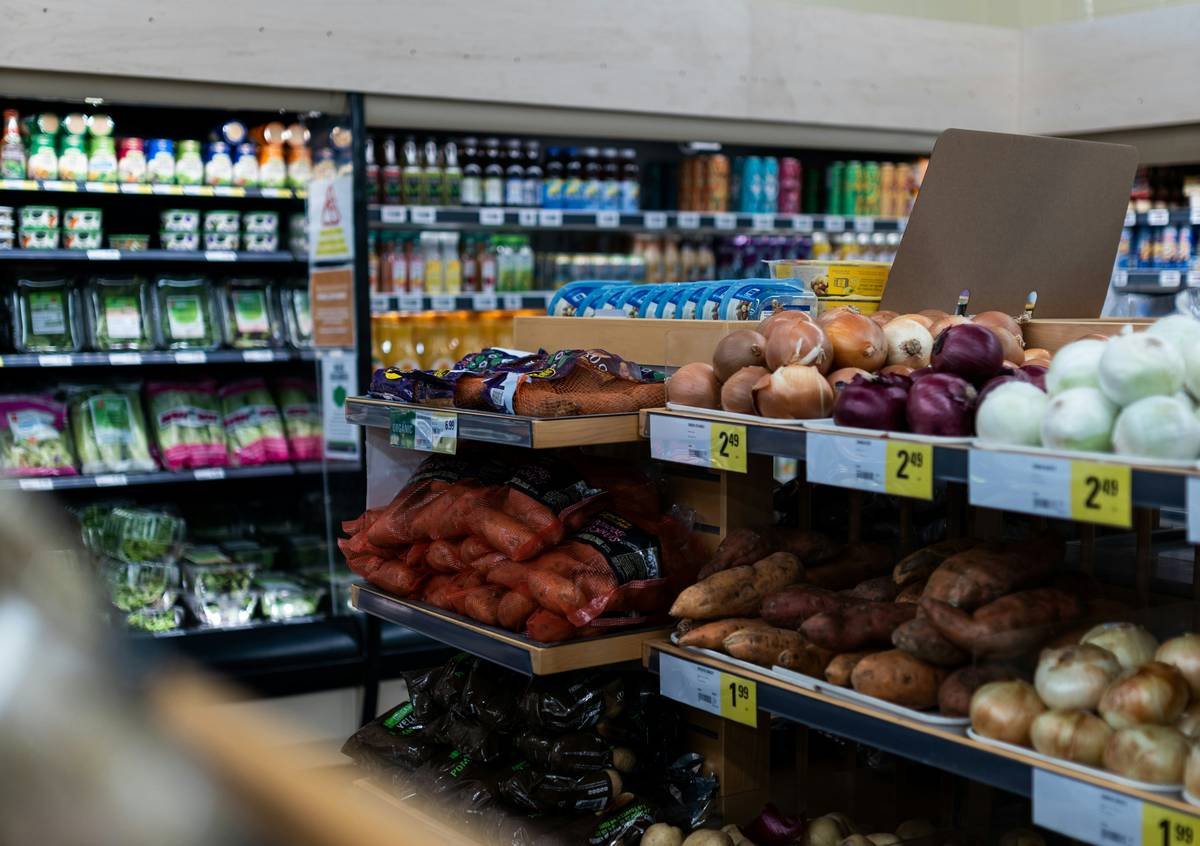
Misshapen sweet potatoes? Perfectly fine. Store-brand quinoa? Identical to the $7 branded bag—just without the Instagrammable logo. And bulk bins? They’re not just for hippies. Fill a jar with lentils, oats, or raw nuts—you’ll pay 30–60% less per pound.
Time Your Trips Right
Most better health food markets mark down perishables 24–48 hours before expiry. Hit the store Tuesday/Thursday evenings for yogurt, greens, and meat deals. Some even have “manager’s specials” with red stickers—up to 50% off.
| Strategy | Avg. Savings vs. Standard Grocery | Best For |
|---|---|---|
| Store-brand pantry staples | 25–40% | Oats, rice, canned beans, spices |
| Bulk-bin shopping | 30–60% | Nuts, seeds, grains, dried fruit |
| End-of-day markdowns | 30–50% | Fresh produce, dairy, prepared foods |
| Frozen organic produce | 20–35% | Berries, spinach, peas, edamame |
The Industry Secret Nobody Talks About
Here’s what buyers won’t tell you: “better-for-you” products often cost retailers less than conventional ones. Why? Because organic suppliers pay for prime shelf placement—sometimes up to 30% of their wholesale price. That markup gets passed to you… even though the base cost is lower.
Translation? You’re paying for marketing, not margin. So look beyond the shiny labels. The real gems are in plain packaging, generic brands, or seasonal local stock—items that didn’t bribe their way onto endcaps.
Frequently Asked Questions
Is a better health food market actually worth it?
Only if you shop strategically. Focus on whole foods, avoid processed “health” snacks, and use markdowns—then yes, you get quality without waste.
How much cheaper is buying in bulk?
Typically 30–60% less per unit than packaged equivalents. Bring your own containers to skip tare fees.
Do all better health food markets offer discounts?
Most do—but quietly. Ask at customer service about weekly markdown schedules or loyalty programs that stack with sales.