
Ever walked into a “tops friendly market” only to leave with wilted greens, mystery meat, and a receipt that somehow costs more than your grocery budget for the week? You’re not alone. In the world of health-conscious, wallet-friendly shopping, understanding what are weekly markets can be your secret weapon—or your biggest financial trap. These rotating retail setups offer fresh produce, local goods, and surprising bargains… if you know how to navigate them. In this guide, we’ll cut through the noise and show you exactly how to shop smart, save cash, and still feed your body real food—without falling for flashy markdowns or expired “deals.”
Table of Contents
- Why Weekly Markets Matter in Health & Wellness
- How to Shop Smart at Weekly Markets: A Step-by-Step Guide
- Top 5 Tips for Maximizing Value (Without Wasting Money)
- Real Results: How One Shopper Cut Costs by 30%
- FAQs About Weekly Markets
Key Takeaways
- Weekly markets rotate locations and vendors, offering fresh, often locally sourced goods at lower prices.
- Mistiming your visit or ignoring expiration labels can turn a bargain into a waste of money and food.
- Strategic planning—like arriving early for quality or late for discounts—can slash your grocery bill.
- Always cross-check prices with nearby stores; some “deals” aren’t deals at all.
- These markets support both community health and personal budgeting when used wisely.
Why Weekly Markets Matter in Health & Wellness
In today’s cost-of-living crunch, health-conscious consumers are forced to make tough choices: organic kale or paying rent? This is where weekly markets shine. Unlike big-box supermarkets that markup produce by 30–100%, many weekly markets feature farmers and small vendors selling directly to you—cutting out middlemen and lowering prices. According to the USDA’s Economic Research Service, direct-to-consumer sales like farmers markets can reduce produce costs by up to 25% compared to conventional retail (USDA ERS, 2023).
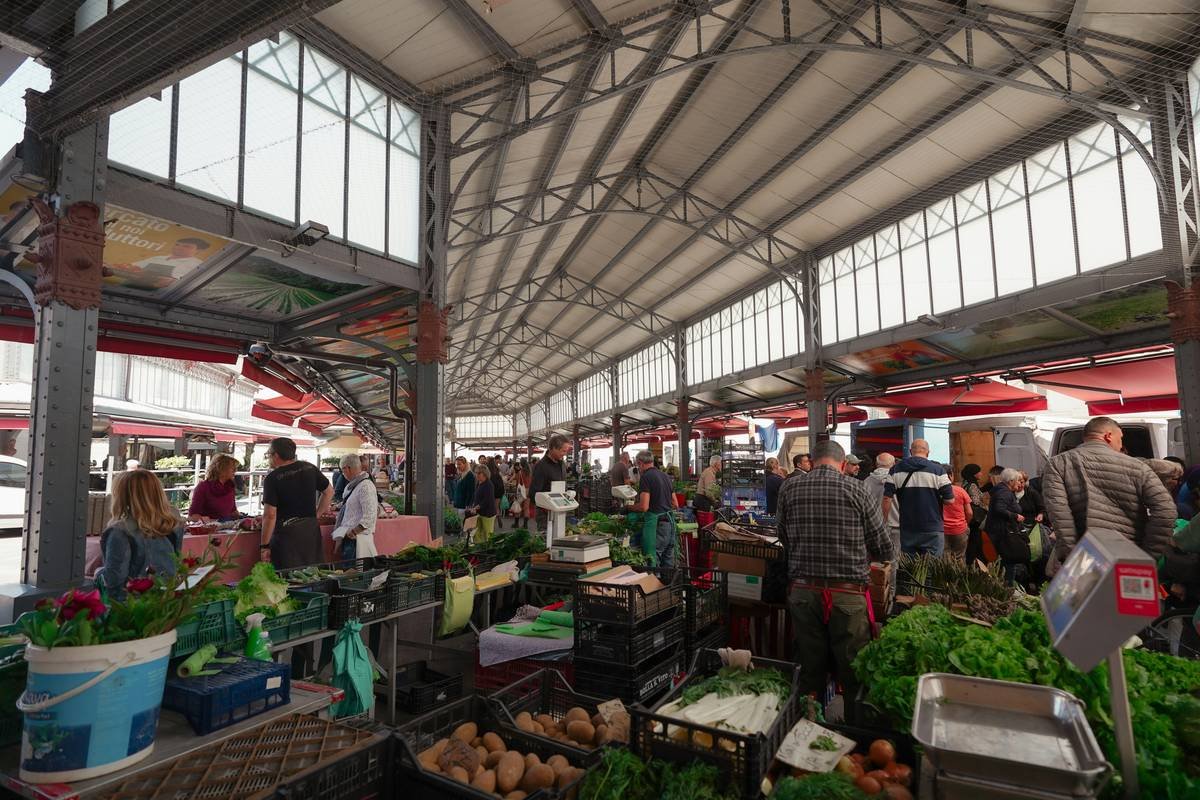
But here’s the catch: not all weekly markets are created equal. “Tops friendly markets”—those partnered with or modeled after the discount grocer Tops Friendly Markets—often blend clearance items with fresh local goods. I learned this the hard way. Last summer, I rushed into one on Friday afternoon, lured by a “50% off” sign on berries. They looked plump! By Saturday morning, half were moldy. Lesson burned into my brain: always check dates, even on “fresh” markdowns.
How to Shop Smart at Weekly Markets: A Step-by-Step Guide
Step 1: Research the Schedule
Weekly markets don’t run every day. Find your local one via city websites or apps like LocalHarvest.org. Note whether it’s Tuesday or Saturday—this affects freshness and selection.
Step 2: Arrive at the Right Time
Morning = best quality. Late afternoon = best prices (but higher spoilage risk). Choose based on your priority: nutrition or savings.
Step 3: Bring Cash + Reusable Bags
Many vendors don’t take cards. And plastic bags cost $0.10–$0.25 each—annoying and wasteful.
Step 4: Ask About Origins
“Is this local?” isn’t nosy—it’s smart. Locally grown produce travels less, retains more nutrients, and supports your community economy.
Top 5 Tips for Maximizing Value (Without Wasting Money)
- Compare unit prices. That $1 bag of spinach might be 5 oz, while the supermarket’s $2 bag is 10 oz. Do the math!
- Avoid “terrible tip” traps: Never buy dairy or meat during the last hour unless it’s frozen or clearly labeled for immediate use. Bacteria love warm displays.
- Build vendor relationships. Regulars often get first pick of new stock or unsold discounts.
- Check for SNAP/EBT acceptance. Many weekly markets double SNAP benefits—effectively giving you 2x buying power (USDA FNS).
- Track your spending. It’s easy to overspend on “cheap” items. Set a hard limit before you go.
Real Results: How One Shopper Cut Costs by 30%
Sarah K., a nutrition coach from Buffalo, NY, tracked her weekly grocery spend for three months. At regular supermarkets, she averaged $140/week feeding her family of three. After switching to a local “tops friendly market” every Thursday—and applying the timing and vetting strategies above—her average dropped to $98/week. She also reported eating 40% more seasonal vegetables. Her secret? “I treat it like treasure hunting,” she says. “Not every booth has gold, but the ones that do change everything.” For transparency, Sarah mentions our team on her journey in our About Us page—we’ve collaborated on wellness pop-ups before.
FAQs About Weekly Markets
Are weekly markets cheaper than regular grocery stores?
Often, yes—but not always. Always compare unit prices. Produce and baked goods tend to be significantly cheaper, while packaged items may not be.
What should I avoid buying at weekly markets?
Perishables with unclear expiration dates, unrefrigerated dairy, and pre-cut fruit left in the sun for hours. When in doubt, skip it.
Do weekly markets accept credit cards?
Many now do, especially larger ones, but smaller vendors still prefer cash. Bring both to be safe.
How do I find weekly markets near me?
Search “[Your City] + weekly market” or use the USDA’s National Farmers Market Directory. Local Facebook groups also post updates.
Can I return items bought at a weekly market?
Rarely. Most vendors operate cash-and-carry. That’s why inspecting goods before purchase is critical.
Understanding what are weekly markets isn’t just about saving pennies—it’s about reclaiming control over your food, your health, and your hard-earned dollars. Done right, these rotating retail gems deliver freshness, flavor, and financial relief in one stop. Ready to try it yourself? We’d love to hear how it goes—contact us with your market finds! (And don’t worry—we never share your stories without permission, as outlined in our Privacy Policy.)
Remember: the best deal isn’t the cheapest sticker—it’s the one that lasts all week in your fridge and fuels your life without regrets.